Tech Insider who called Nvidia at 80 cents now says:
"Elon's $1.75 Trillion Plan to Save AI …
… could send one under-the-radar stock through the roof”
- Legendary Tech Insider, Michael Robinson
Go HERE BEFORE JUNE 30, 2026, to get ahead of the action.
Dear Reader,
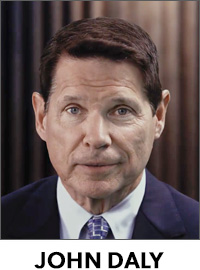
JOHN: When Elon Musk helped create Paypal, experts dismissed it as the worst business idea of 1999 …
When he launched Tesla, Wall Street said he'd go bankrupt …
And when he bet everything on reusable rockets, NASA engineers laughed him out of the room.
Fast forward to today …
Paypal is the #1 online payment provider in the world …
Tesla is worth more than nearly every other car company on Earth — combined …
And SpaceX — valued at over $800 billion — dominates more than 80% of the global rocket launch market …
Over and over, the pattern repeats:
Elon spots a broken industry and makes a bold move to fix it …
The mainstream calls him crazy …
But many early investors who understand what he's doing get incredibly rich.
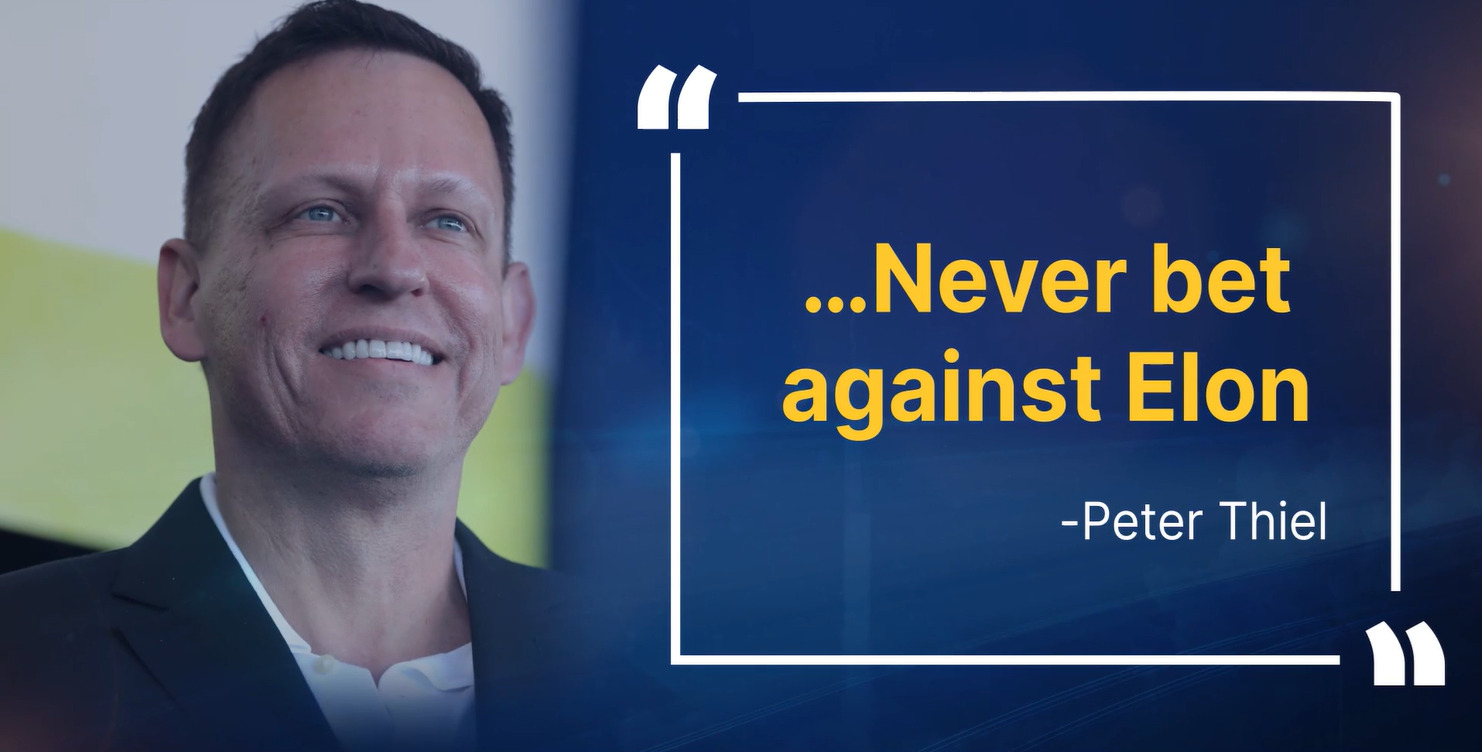
It’s why billionaire Peter Thiel says, “…Never bet against Elon.”
And now, it's happening again.
Our special guest today is the legendary tech insider Michael Robinson.
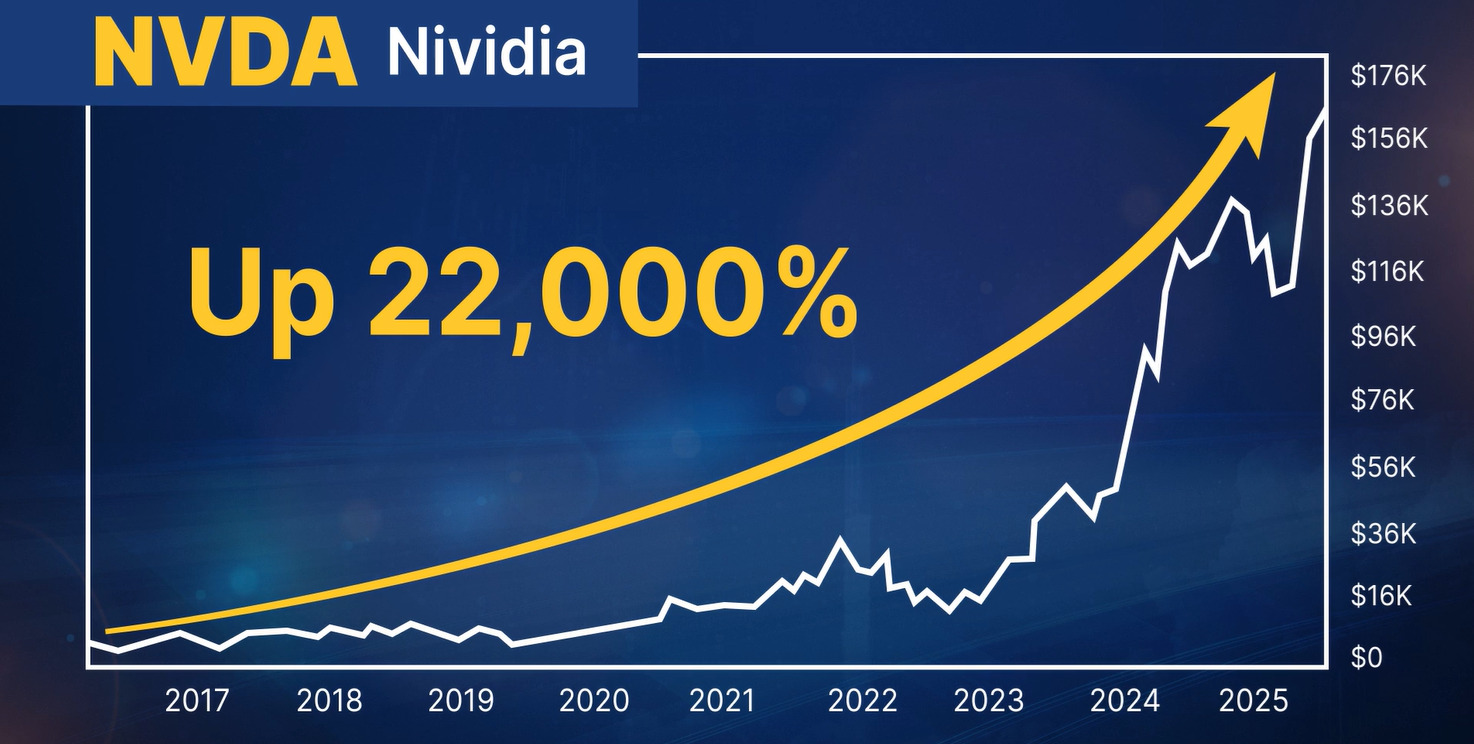
The same man who told his followers to load up on Nvidia at 80 cents before it soared …
And who MoneyShow says is “one of the top technology financial analysts working today …”
Michael says Elon Musk is about to launch his most lucrative and ambitious project yet.
One that could dwarf everything he's ever done — combined.
Because this time, it's not about digital money … self-driving cars … or rockets.
This time, it's about the future of artificial intelligence itself.
And it may go down as the biggest tech breakthrough of all time.
Bloomberg reports Elon's new invention could reach more than $1.75 trillion in value …
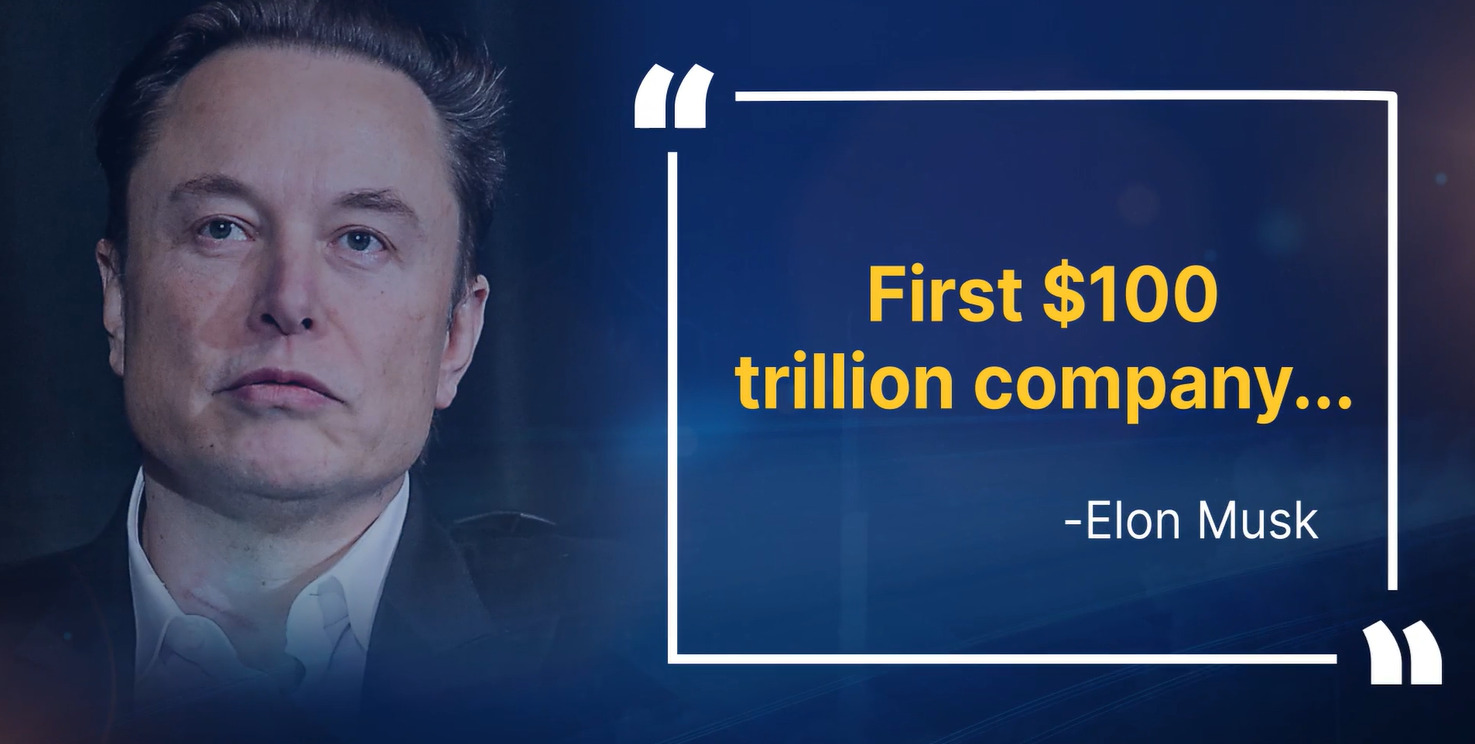
And Elon believes it will help unlock the “first $100 trillion company“ …
Google, Amazon and Nvidia — to name a few — are already lining up to be part of it …
Michael even calls it Elon's "Project Unlimited" …
Because he believes it's going to radically change the entire AI industry.
And one little-known company sits at the very heart of Elon's new breakthrough mission.
So, grab a pen and paper.
And make sure you watch today's broadcast till the very end …
Because you don't want to miss out on what could be your best — and perhaps last — chance to take advantage of the next AI boom.
My name is John Daly. I'll be your host today.
Joining me in just a moment is a man who spent the last 40 years at the forefront of the technology markets …
Both as an investigative journalist …
And as a special advisor to venture capital firms and many high-tech startups.
Over the years, Michael's investigative work was published in prominent outlets like The New York Times, The Kansas City Star and The San Francisco Examiner …
He was even nominated for the prestigious Pulitzer Prize …
But thanks to his access to Silicon Valley inner circles, Michael has developed an uncanny ability to spot next tech stars well ahead of the crowd.
In fact, he's called almost every tech megatrend so far:
The birth of cloud computing … the iPhone revolution … the rise of Bitcoin … And even the AI takeover …
But today, Michael is about to reveal:
The real reason why AI is grinding to a halt …
Elon’s radical solution that solves it once and for all …
And the specific stocks ready to explode when his $1.75 Trillion plan goes live.
Michael, thank you for joining us …
MICHAEL: It's great to be here, John. I don't say this lightly …
But what I'm about to show you could be the most important investment story I've covered in 40 years.
JOHN: I think I speak for everyone — I can't wait to dive in.
Because you’ve seen tech booms come and go …
But now you're saying Elon’s next move could be one of the biggest wealth-creation events of our lifetime.
An endeavor so bold, you call it Elon's "Project Unlimited."
What do you know that we don't?
MICHAEL: I've been doing this for a very long time, John.
And if there's one thing I learned …
Elon has a long history of making the seemingly impossible … a reality.
And it's because of the way he operates:
He identifies a massive problem crippling an industry …
Ignores the skeptics …
And then creates a visionary solution and breakthrough so huge, it reshapes the entire sector.
Paypal. Tesla. SpaceX. Even xAI. Every single time.
JOHN: So, it seems like everything Elon touches turns to gold for early investors …
MICHAEL: That’s right.
JOHN: And you're saying it's about to happen again?
MICHAEL: Not only that, John …
What Elon is about to reveal could be way bigger than all his past hits combined.
I'm talking about what could be the biggest and most lucrative project of Elon's entire career …
I'll explain all the details in just a moment …
Including how to claim a stake in this massive opportunity — before June 30 …
JOHN: OK, Michael. Before we get to that, let me see if I got this right.
You say there’s a pattern with Elon.
He identifies a big problem within a certain industry.
He ignores the skeptics.
Creates a breakthrough solution.
And has delivered windfalls to investors who believed in him.
So, what is the new massive problem Elon has identified?
MICHAEL: You nailed it, John.
Elon is focused on a massive problem that is hamstringing AI.
A crisis so severe it could stall the entire growth … crash trillions in valuations … and leave millions of investors holding the bag.
JOHN: I am glad you brought this up, Michael. Because when I look at the headlines … When I turn on CNBC or Fox Business …

All I hear is that AI is in a bubble. The party’s over. And investors who pile in now are going to get crushed.
MICHAEL: I understand why people are worried.
The money that's been thrown at AI in the past three years has been massive. Unlike anything we've seen before.
Since the launch of ChatGPT three years ago …
AI has reportedly minted 600,000 new millionaires.
And 50 new billionaires just in 2025 alone.
So yes, I can see why all that raises red flags.
JOHN: Articles in The Atlantic are already painting the picture of what an AI crash looks like.
And watching the markets, it definitely feels like AI has hit a wall. Nvidia’s stalled. The Mag 7 are struggling …
What's going on?
MICHAEL: John, here's what the "bubble" crowd gets dead wrong …
AI isn’t in danger of slowing down because people lost interest.
It isn’t in danger of slowing down because the technology failed.
It’s in danger of slowing down because AI is being starved.
JOHN: What do you mean?
MICHAEL: AI is the greatest wealth creator of the 21st century.
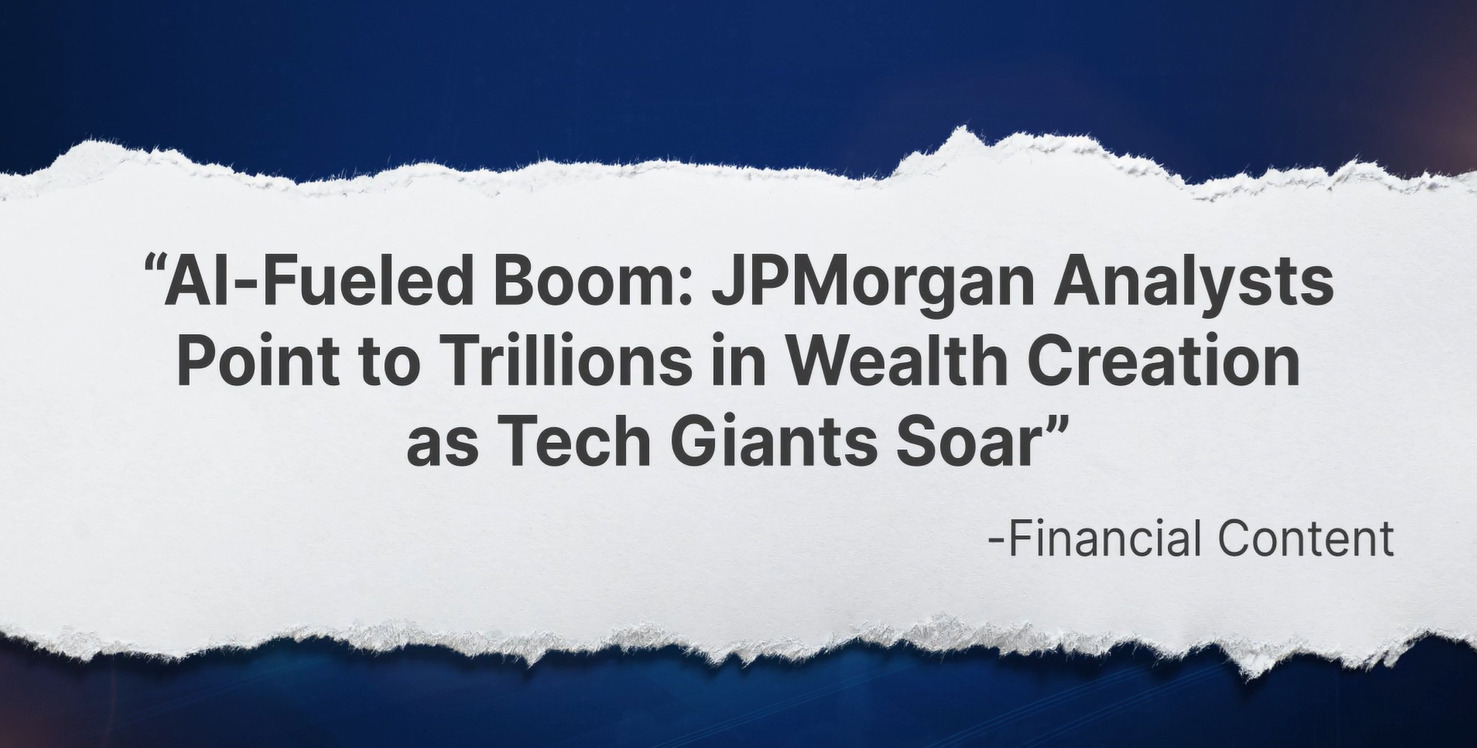
In fact, many analysts say the current is the largest and fastest wealth creation event in modern history.
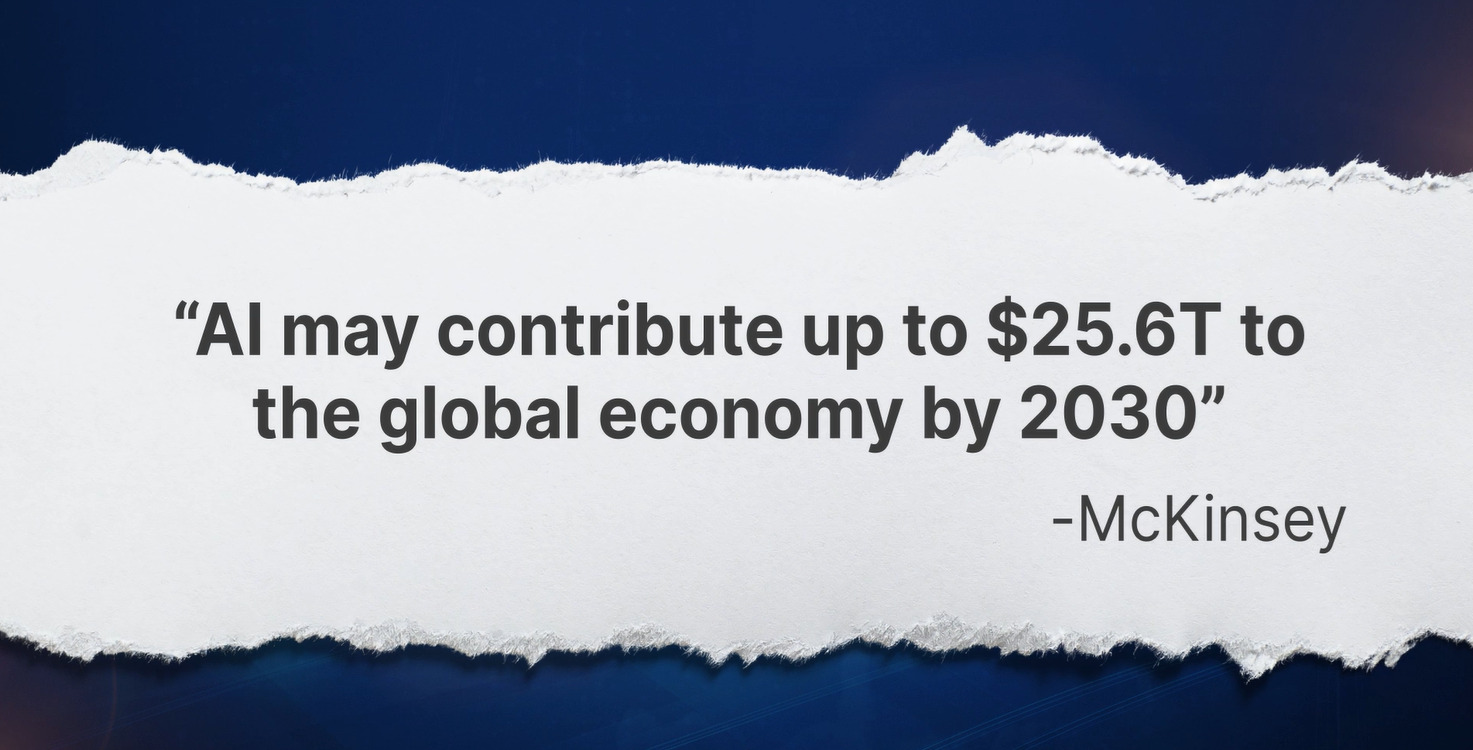
McKinsey projects AI may contribute up to $25.6T to the global economy by 2030.
But this breakneck growth also created a massive problem.
There’s a giant infrastructure bottleneck that threatens to strangle the entire industry.
And if it's not solved fast …
Google, Amazon, Microsoft …
And every other AI company out there …
They all could be facing a major crash.
This is the real crisis nobody’s talking about, John.
And it’s exactly why Elon is making his historic move right now.
I'm sure you've heard the news …
The world’s richest man just announced he's taking one of his biggest companies public this year.
JOHN: You're talking about SpaceX.
MICHAEL: That's right. Elon has said SpaceX is finally going public. And it's projected to become one of the largest IPOs in history, valued at a staggering $1.75 trillion …
JOHN: I remember you called it last year.
You said, and I quote, “The biggest tech story of 2026 will be the SpaceX IPO.”
But most people were convinced it would never happen …
MICHAEL: That's because most people are missing the big picture.
You see, Elon has no choice but to take SpaceX public.
He's racing against the clock.
Because this isn't just another tech IPO.
JOHN: What do you mean?
MICHAEL: This is Elon's master plan to save the entire AI industry from collapse.
That's why I call it Elon's "Project Unlimited" …
It has to do with the largest private infrastructure project in American history …
Built to shatter AI's bottleneck once and for all.
If it happens, AI won't just recover. It's going to explode into the stratosphere.
Mark my words, John …
The wealth we’ve seen created in AI so far? It will look like a warm-up.
And one company most people have never heard of is at the very heart of Elon's critical mission.
JOHN: I can't wait to dig into all the details about this incredible opportunity, Michael …
But I have to ask …
What does the AI crisis have to do with SpaceX IPO?
MICHAEL: Everything, John. But to understand why, you first need to see what's actually happening on the ground right now …
Because it's worse than what most people realize.
AI has run headfirst into a wall nobody saw coming until it was too late.
Our overextended … and inadequate power grid.
JOHN: Ok, let's unpack that. What exactly do you mean?
MICHAEL: Here's the problem …
Every AI model … every chatbot … every Waymo, Robotaxi … and every AI-driven drug discovery …
It all runs inside massive, unsightly data centers that are now popping up all across the country. These are warehouses bigger than football fields. Packed with high-power chips, running 24 hours a day.
Think of them as AI's brain.
Jensen Huang, Nvidia's CEO, even calls them "AI factories."
And they're devouring electricity at a rate that doubles roughly every two and a half years.
Now picture all these AI companies … all fighting for the same power supply …
That’s what’s happening now.
And you get a problem so severe, it's causing literal distortions on our power grid.
JOHN: How bad is it?
MICHAEL: It's so bad, these data centers are wrecking the quality of electricity reaching your home.
Which means your appliances are more likely to break.
It’s all connected to the overloaded grid.
Not to mention of course, Americans have watched their electric bills soar 30% or more since 2021.
JOHN: Oh, I’ve felt it in my pocket, no doubt about it …
MICHAEL: Look, John, Northern Virginia hosts the largest concentration of data centers on Earth.
It processes around 70% of the world's internet traffic.
And yet, their power utility, Dominion Energy, has made it clear that they can’t meet the demand.
And this isn't some backwater utility, John. They are well-equipped to deal with high power demand.
JOHN: So, when you say AI is being starved … you literally mean it.
MICHAEL: Exactly. The companies building AI cannot get the electricity they need to run it.
And Goldman Sachs projects they'll need 175% more electricity by 2030.
That's like adding the entire energy output of Japan to the American grid.
But the grid was built back in the 1960s. It was never designed for this.
JOHN: Can't they just upgrade the grid?
MICHAEL: These companies need power right now.
Grid upgrades can take up to 8 years. A new power plant can take a decade. New transmission lines? Same problem.
John, we already have over 2,200 gigawatts of new energy projects like solar, wind, nuclear, natural gas …
All sitting in a queue, waiting to plug in.
That’s roughly almost double the total U.S. electricity capacity.
JOHN: But the grid can't handle it.
MICHAEL: The grid can't handle it.
The money is there. Big Tech has committed over $600 billion to AI infrastructure this year alone.
The technology is there. The chips are ready. The demand is through the roof …
But the power? It's not even close.
JOHN: So that's the bottleneck …
MICHAEL: It’s not just a bottleneck. It's a massive crisis.
JOHN: Is this part of the reason why these new data center projects are stalling or facing delays?
Like the Microsoft data center project in Wisconsin …
Or Meta buildouts in Denmark and Texas …
MICHAEL: Yep. Mark Zuckerberg said it himself. Power constraints have become the largest bottleneck for AI.
And John, the way I see it, the companies who solve this bottleneck won't just be profitable …
They should be making money for generations.
And that's exactly why Elon is making the biggest move of his career …
By taking SpaceX public.
JOHN: But how does that solve the power bottleneck?
MICHAEL: Here’s where Elon’s visionary solution comes into play.
You see, every tech CEO on the planet is trying to fix this the same old way …
Fighting over grid access …
Lobbying politicians …
Or even trying to build their own power plants.
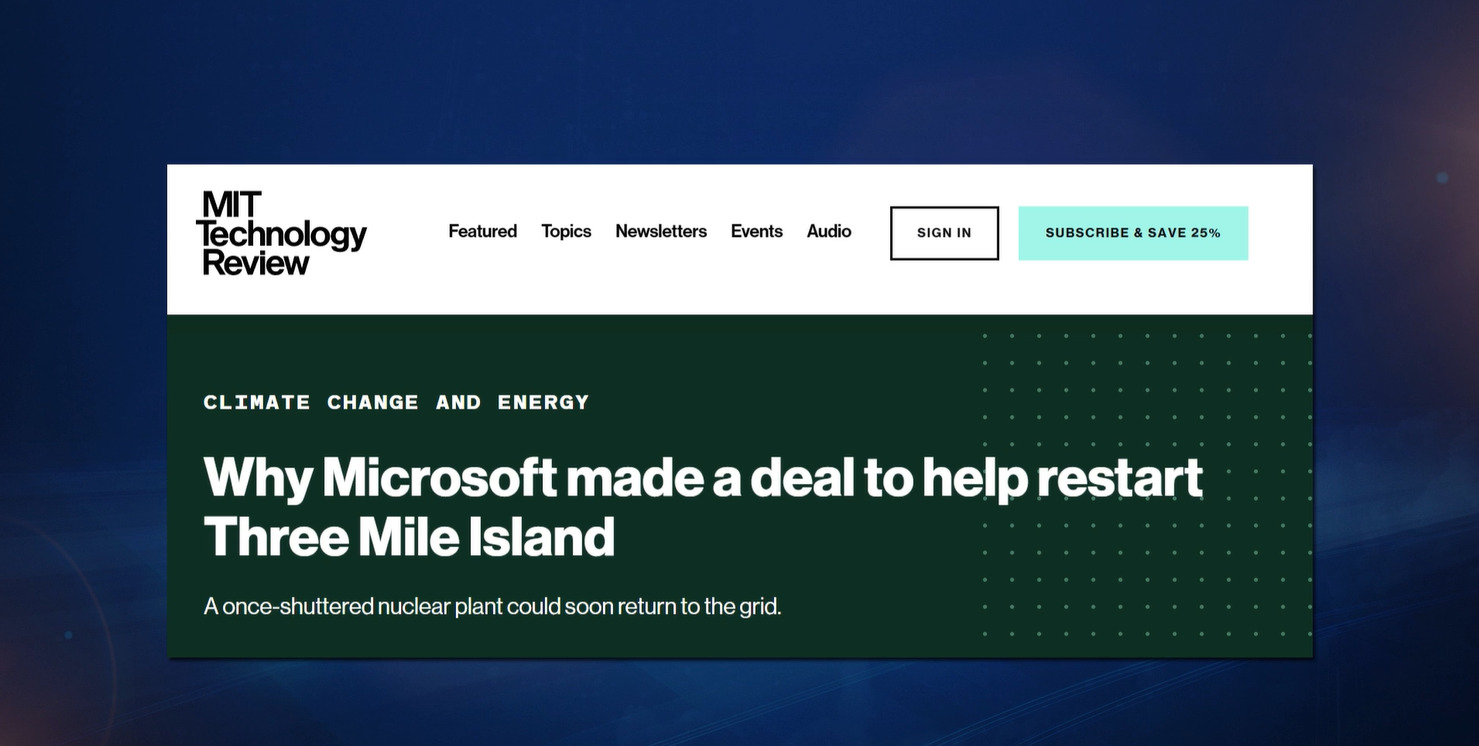
Microsoft signed a 20-year deal to restart a nuclear reactor at Three Mile Island … just to power its data centers.
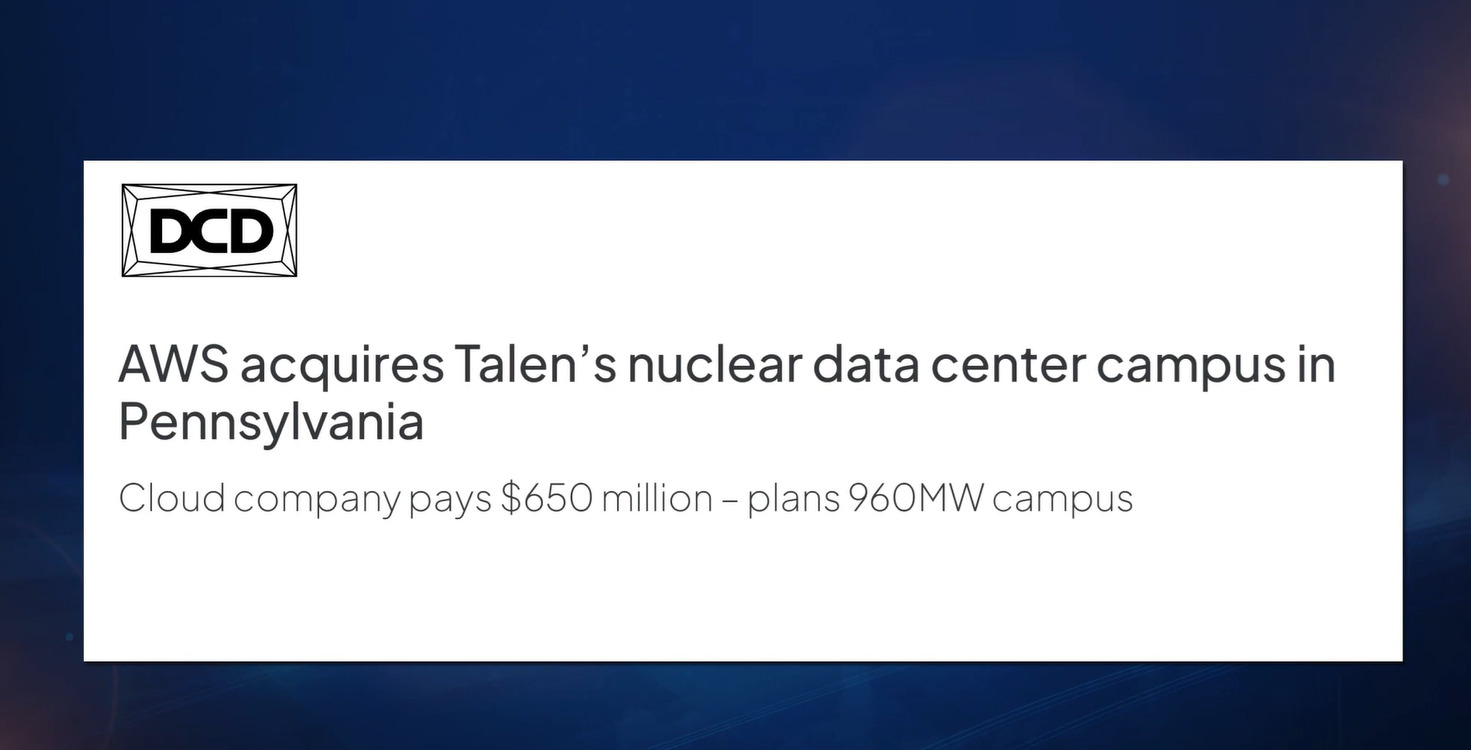
Amazon spent $650 million to acquire a nuclear-powered data center outright.
Google struck a deal to buy electricity from small modular reactors that haven't even been built yet.
And Meta? They even tried to build their own nuclear-powered plant next to an existing reactor …
JOHN: All of this … just for AI?
MICHAEL: That's right. Eventually, they realized it's easier to just partner with nuclear startups like TerraPower, Oklo and Vistra …
But Elon looked at all of that and asked a completely different question.
Not "how do we squeeze more power from the grid?"
Not "how do we build a power plant faster?”
But "what if we didn't need any of that at all?"
“What if we do something completely different?”
Now, you may have seen some of the headlines already, John …
JOHN: Ah, you're talking about the space data centers?
MICHAEL: Bingo! Elon plans to take AI data centers into orbit.
Powered by unlimited solar energy …
Cooled by the vacuum of space …
And completely free from Earth's grid.
JOHN: I'll be honest, Michael. This sounds like science fiction.
MICHAEL: So did self-driving cars. And autonomous robots. And reusable rockets …
JOHN: … but Elon figured all of that out.
MICHAEL: Remember what Peter Thiel said?
JOHN: Never bet against Elon.
MICHAEL: Never bet against Elon.
Because when you think about it, orbital AI data centers are the most elegant solution of all.
The Wall Street Journal confirms it’s the real reason why SpaceX is going public.
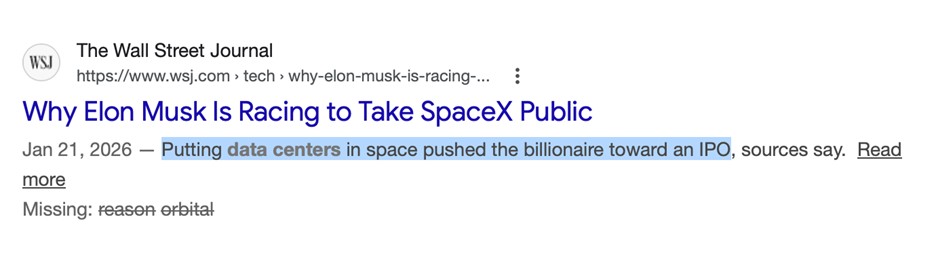
Elon simply needs the capital to build AI data centers in space.
It's also why the SpaceX merger with xAI happened …
It's all one big play.
JOHN: All part of "Project Unlimited.”
MICHAEL: That's right. And here's the thing, John …
While everyone is focused on SpaceX …
And most investors will rush to buy the stock the moment it starts trading …
My research is telling me the biggest opportunity isn't SpaceX itself.
There's a fascinating company that's quietly been working alongside SpaceX …
Providing critical technology right now that Elon cannot build his space data centers without.
And right now, it seems to be flying under the radar.
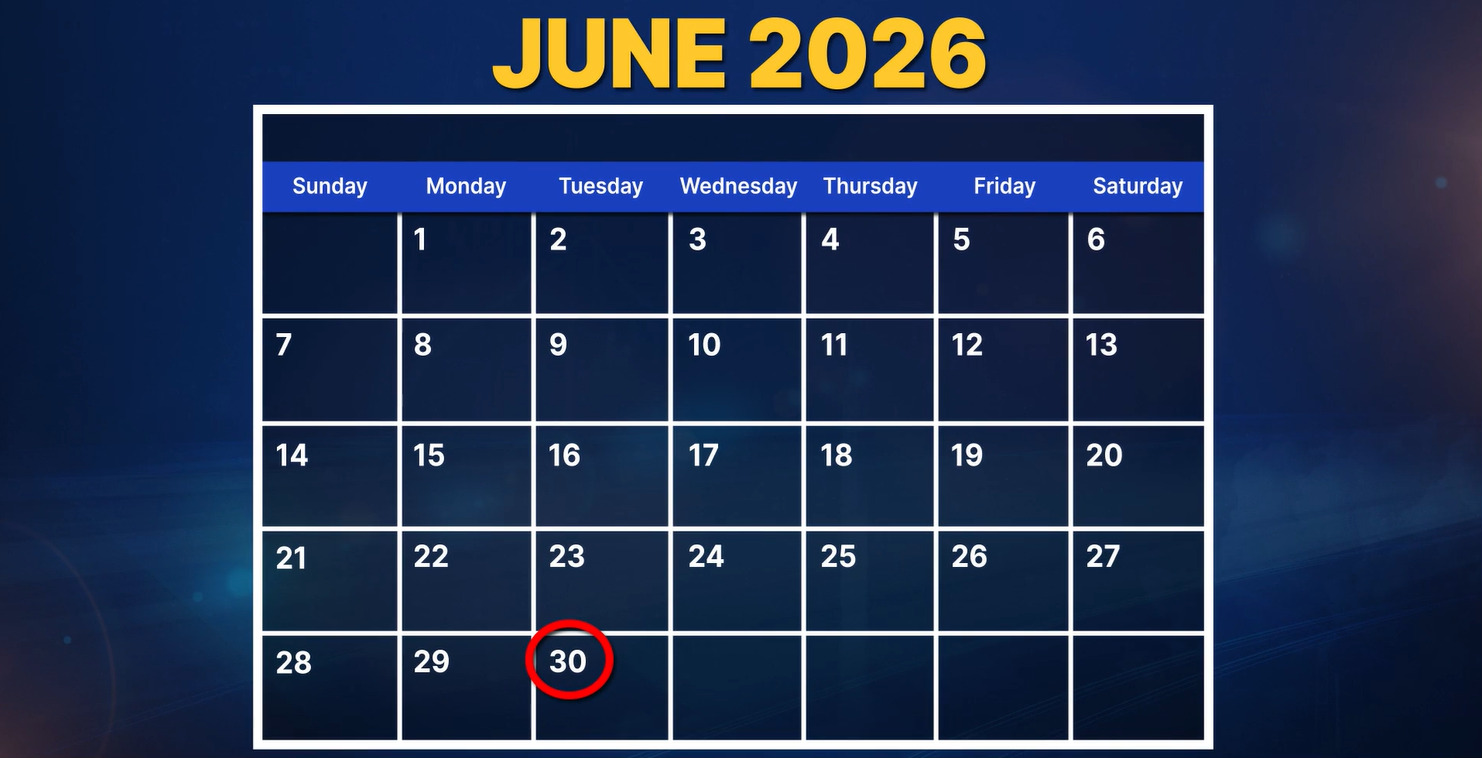
But when a big announcement happens potentially on June 30, the whole world may find out about it then.
JOHN: Tell me more …
MICHAEL: I will. But first, let me show you the full scope of what Elon is building.
And when you see the numbers, you'll understand why this company could be one of the most explosive opportunities I've seen in 40 years …
Because what's happening in AI right now … this crisis, this bottleneck …
It's not new.
We've seen this exact pattern play out before multiple times …
And often, it's created some of the greatest fortunes in American history.
JOHN: So you’re saying there's a cycle here …
MICHAEL: That's right. A blueprint …
And once you see it, you'll understand exactly what's going on right now.
Every transformative technology in American history tends to go through three distinct phases.

Phase one: The Breakthrough.
A revolutionary technology appears. Capital floods in. Stocks soar. Everyone piles in.

Then there's Phase two: The Constraint.
Growth slams headfirst into an infrastructure wall …
The old systems can't keep up. Revenue stalls. Investors panic. The media declares the whole thing was just a bubble …
We’re seeing it play out right now.

And then there's phase three: The Explosion.
Someone solves the constraint … and the wealth that follows that solution … dwarfs everything that came before.
JOHN: Can you give me an example?
MICHAEL: I'll give you two.
Back in the 1860s, America went through a massive railroad boom. New tracks were being laid across the continent at breakneck speed …
But the buildout hit a wall that took most people by surprise.
JOHN: What kind of wall?
MICHAEL: Iron rails.
Every railroad in America ran on iron rails. And iron rails had a dirty secret …
They wore out fast and they broke.
On the busiest routes, they had to be replaced several times a year …
JOHN: That must have been quite expensive …
MICHAEL: It was. The trains were getting heavier. Locomotives, bigger. And iron just couldn't handle the load.
Every time a rail failed, you had to shut down the line. No trains. No revenue. And in the worst cases — derailments. Sometimes people even died.
JOHN: So, the rails themselves were the bottleneck …
MICHAEL: Exactly. The demand was there. The technology worked. But the physical infrastructure couldn't keep up with growth.
JOHN: Sounds a lot like what we're hearing about AI right now …
MICHAEL: That's right. Now, here's where it gets interesting …
Most railroad companies tried to solve it the same way …
Replacing the iron faster … laying more of it … trying to keep up … all that obvious stuff.
Until one man, Andrew Carnegie, came up with a completely novel idea …
He replaced iron with steel.
JOHN: Sounds obvious in hindsight.
MICHAEL: Exactly. Nobody could see the obvious until it was solved.
And what followed was the greatest infrastructure explosion in American history.
The railroad network took decades to reach 50,000 miles.
Now, it quadrupled to over 190,000 miles … and transformed America into the most powerful industrial economy on earth.
And Carnegie? He became the richest man in the world at the time …
JOHN: All because he solved the bottleneck before anyone else …
MICHAEL: Exactly. Now fast forward to the late 1990s. Same pattern, different technology …
The internet.
Demand was exploding. Everyone wanted to get online …
But the physical infrastructure couldn't keep up with all that bandwidth …
JOHN: I remember. Dial-up was painfully slow.
MICHAEL: Websites were crashing under the load …
Streaming video? Forget about it.
All because the internet was running on copper telephone wires that were never built for this …
The constraint wasn't the technology. The internet worked …
The constraint was the physical pipes it ran through.
JOHN: And that's when the bubble burst …
MICHAEL: Spectacularly …
The Nasdaq fell 75% from its peak.
And Amazon's stock crashed from $116 to $6 in less than a year.
JOHN: If my math is correct, that’s almost a 90% drop.
MICHAEL: 94%. Jeff Bezos opened his next shareholder letter with a single word: "Ouch."
And pundits and analysts declared internet dead.
JOHN: Ah, I remember that! Paul Krugman even said, and I'm paraphrasing, that the internet’s impact on the economy will be no greater than the fax machine’s …
MICHAEL: One of the worst predictions of all time.
Because here's what they missed, John …
Behind all the noise and the panic … something extraordinary was happening.
Telecom companies were spending over $500 billion laying fiber optic cable under the sea and across the country.
Eighty million miles of it. Enough to wrap around the Earth more than three thousand times …
JOHN: And they did this during all that chaos?
MICHAEL: Yes. Because these companies understood something everyone else was too panicked to see …
The internet wasn't dead. It was being strangled by a physical constraint.
JOHN: And once the infrastructure was there …
MICHAEL: Everything changed.
Internet came roaring back with a vengeance …
Netflix. YouTube. Cloud computing. Social media. Amazon Web Services …
Every single thing that defines the modern digital economy …
None of it would exist without the infrastructure built during the "bust."
JOHN: And the investors who understood what was really going on … they made a fortune.
MICHAEL: That's right.
The real wealth wasn't made by the people who panicked during the bust.
It was made by the investors who saw a critical bottleneck being solved …
And positioned themselves before the inevitable explosion that followed starting in 2002.
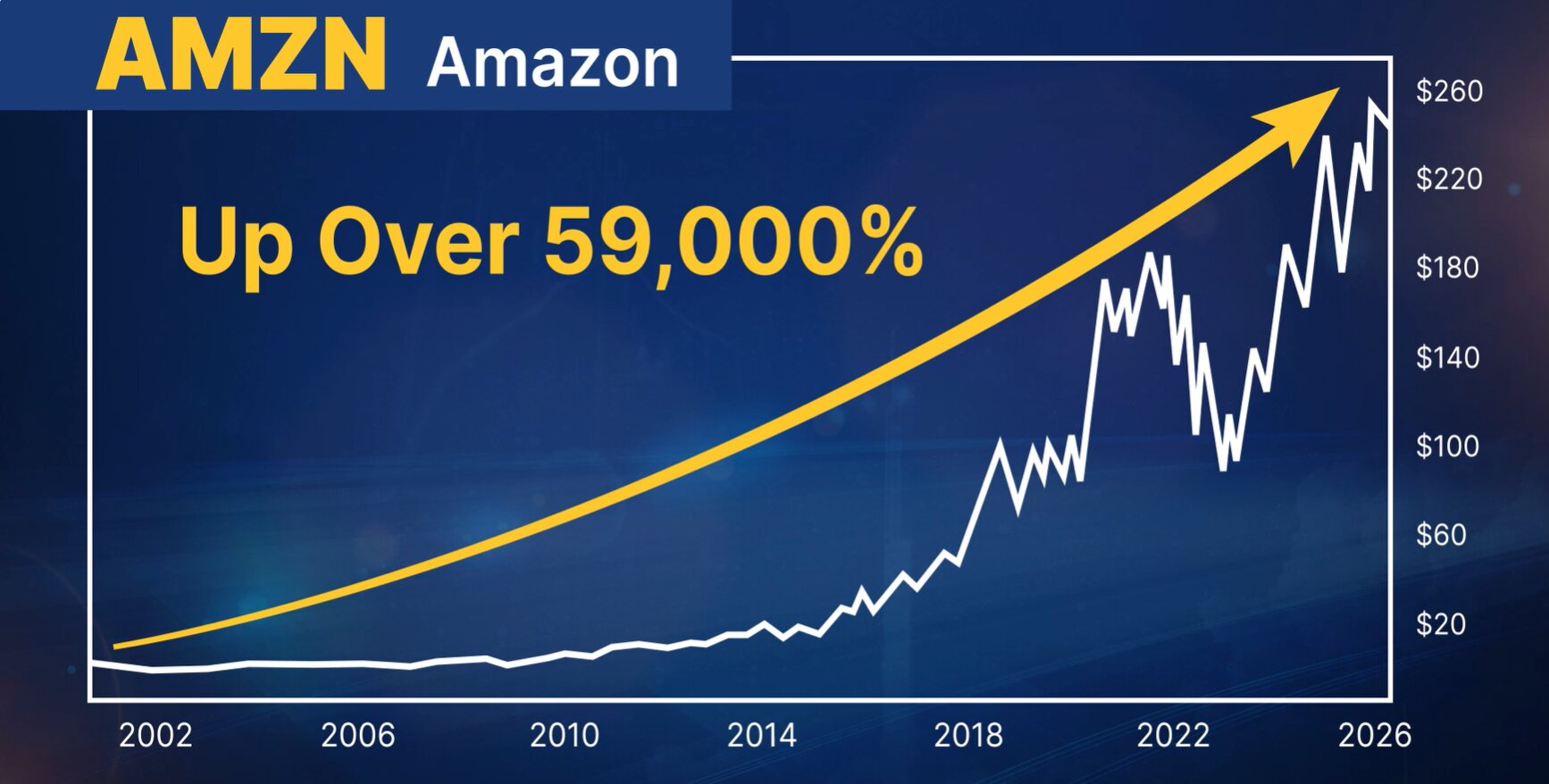
Amazon is a $2 trillion company today. Its stock is up over 59,000% since …
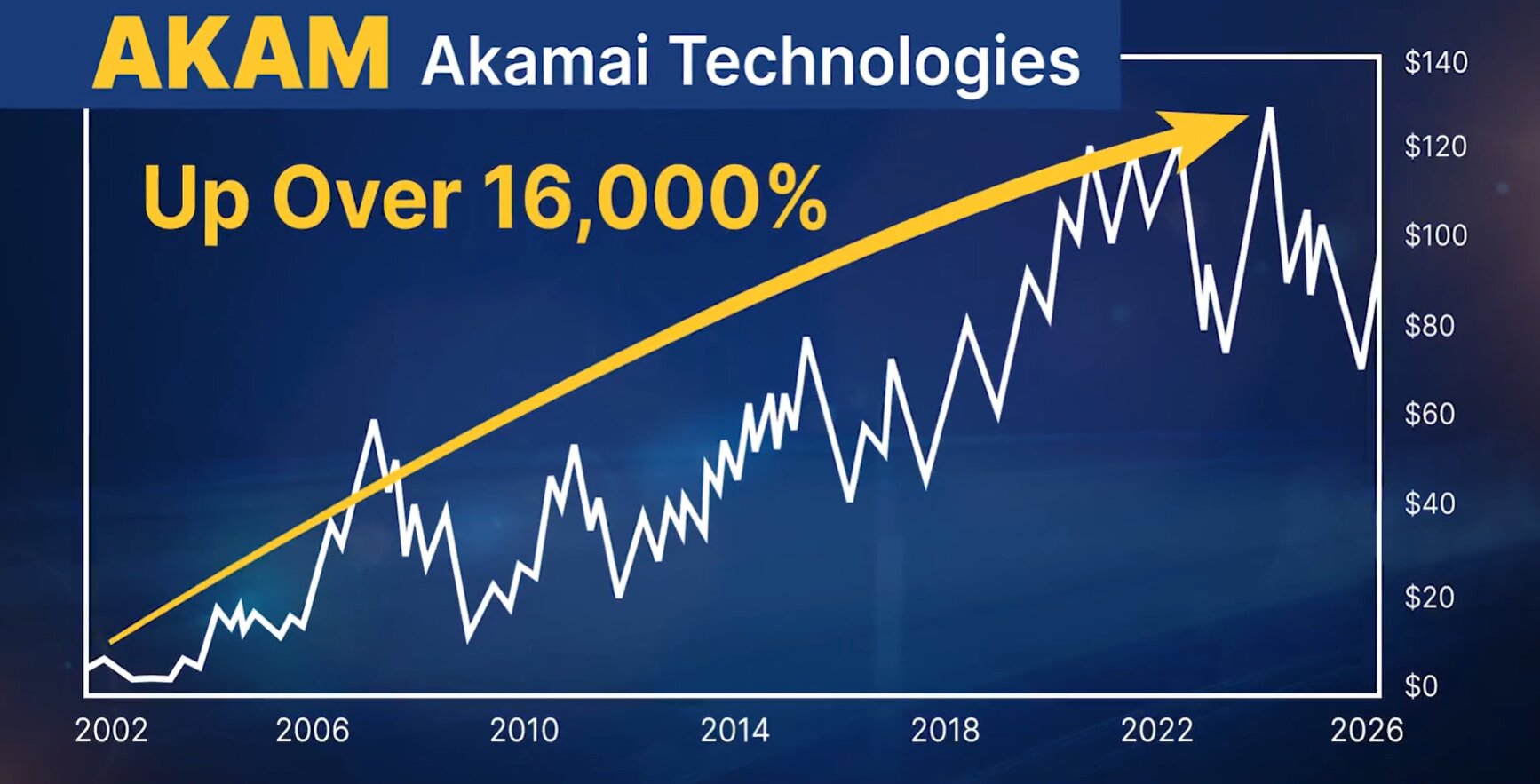
Akamai, a critical company at the time for handling web traffic, climbed over 16,000% …
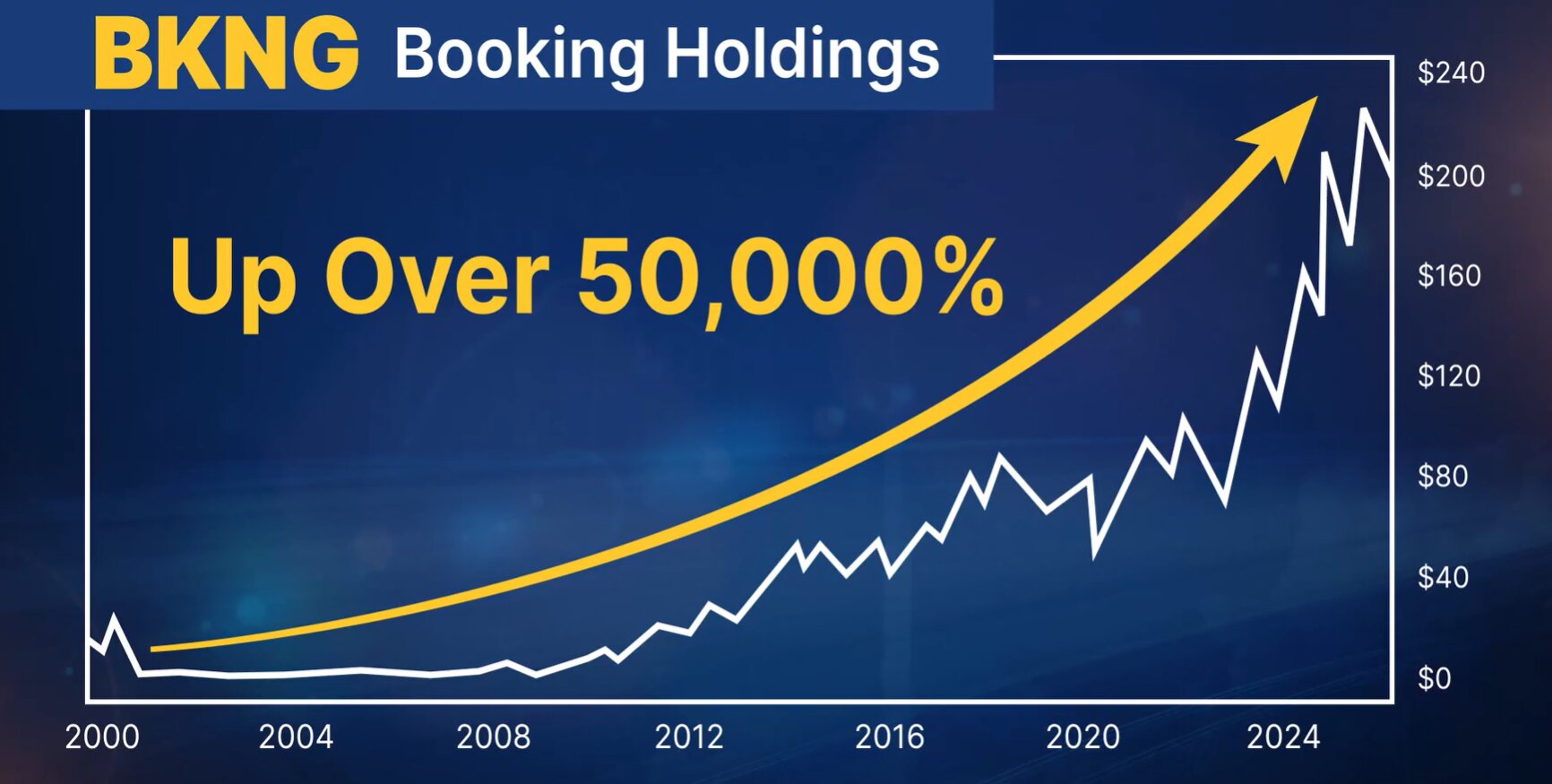
And Priceline (now Booking Holdings) skyrocketed over 50,000% …
JOHN: Breakthrough … constraint … explosion. That's the pattern.
MICHAEL: Exactly.
And right now, all the independent data and all of my research is showing me we are living through the exact same playbook with AI.
Phase one already happened.
AI burst onto the scene … trillions poured in … and AI stocks went vertical.
Phase two is happening right now.
JOHN: The constraint.
MICHAEL: Yes. The power bottleneck …
The grid can't keep up … stocks are stalling … and headlines are screaming "bubble.”
JOHN: And phase three is what Elon is building …
MICHAEL: Exactly. That's what "Project Unlimited" is all about. And the scale of it is going to take your breath away …
JOHN: Ok. Let's get into it. Because I know people are wondering …
How serious is this orbital AI data center plan? Is this actually happening …
Or is it just another Elon press conference?
MICHAEL: This is not a concept, John. And it's not a tweet.
This is real. It's moving through the government regulatory pipeline right now …
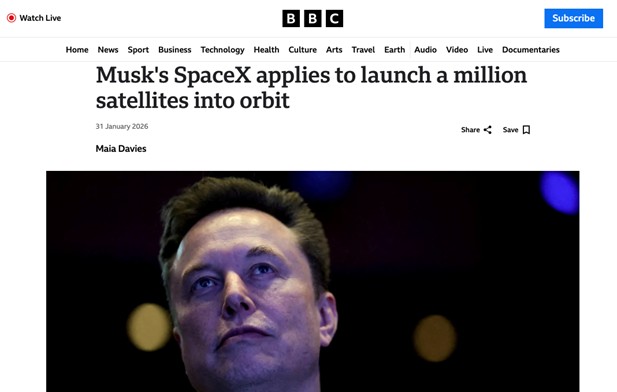
On Jan. 30, SpaceX filed an application with the FCC to launch one million AI data center satellites into orbit.
JOHN: Wait. Did you say one million?
MICHAEL: I did, indeed. One million. That's more satellites than every country on Earth has ever launched. Combined.
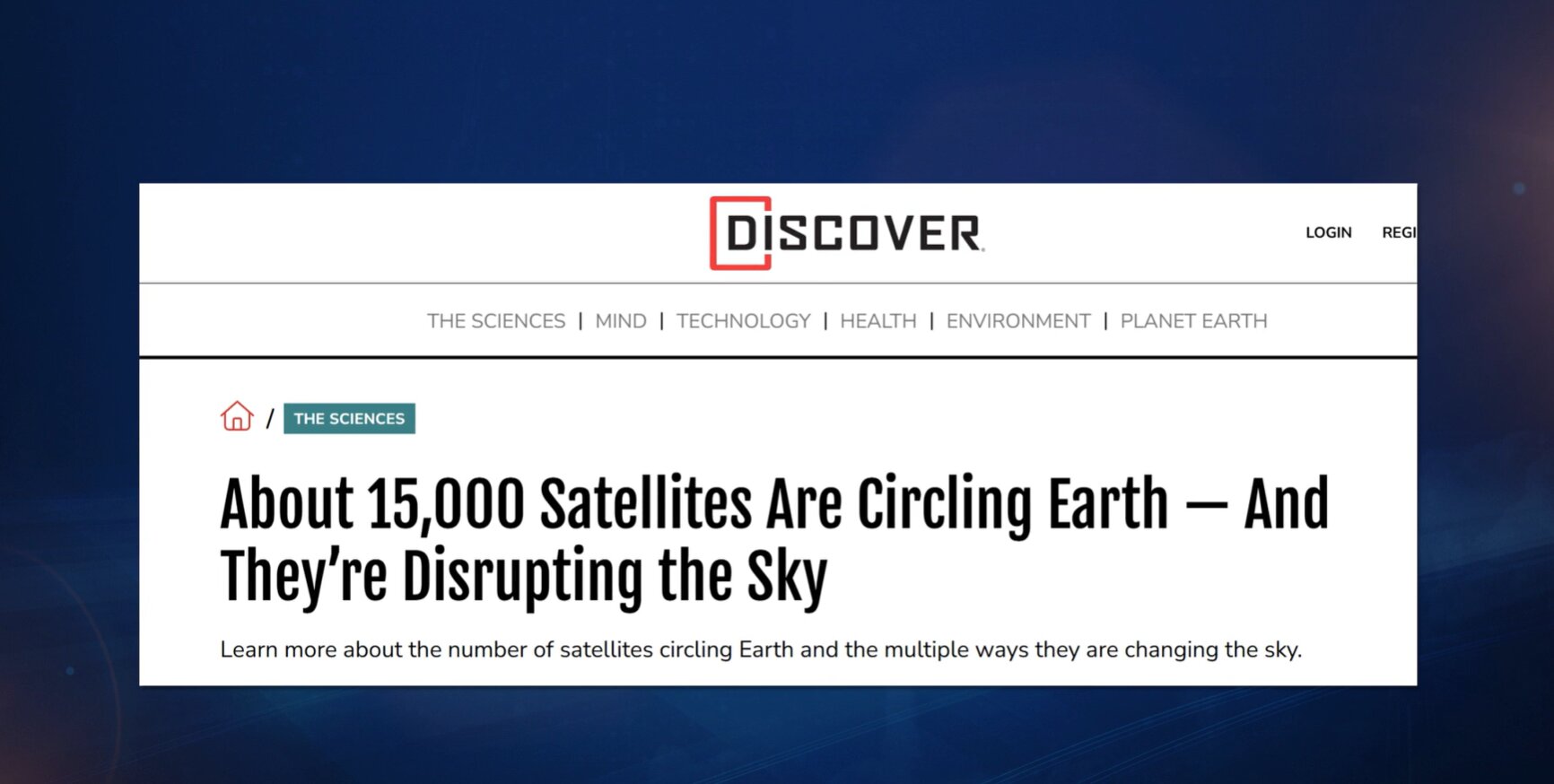
Right now, about 15,000 satellites circle the Earth.
Nearly 10,000 of them belong to Elon's Starlink network.
He wants to multiply that number … by a hundredfold.
JOHN: A hundred times? That's staggering.
MICHAEL: And keep in mind, Starlink already pulls in about $12 billion a year in revenue.
Now picture that network scaled 100x …
Not just for internet. But for raw AI compute power.
Do the math. We're talking about a revenue machine the world has simply never seen.
JOHN: So how would it all work?
MICHAEL: It's all spelled out in the regulatory filing.
These satellites would orbit between 311 and 1,243 miles above Earth …
Stacked in orbital shells …
Powered by near-constant solar energy …
Cooled naturally by the vacuum of space.
And each satellite would crank out roughly 100 kilowatts of AI compute power every year.
Add it all up, John, and you get 100 gigawatts of new AI compute power …
Every single year.
JOHN: How does that compare to what we have now?
MICHAEL: The world's entire fleet of data centers currently burns through about 50 gigawatts of power.
So, this would nearly double the planet's total AI capacity … year after year … without pulling a single watt from our aging power grid.
JOHN: No grid. No coal. No gas turbines. No begging a utility for a power hookup …
MICHAEL: Just the sun.
And here's the line that stopped me cold in the filing itself …
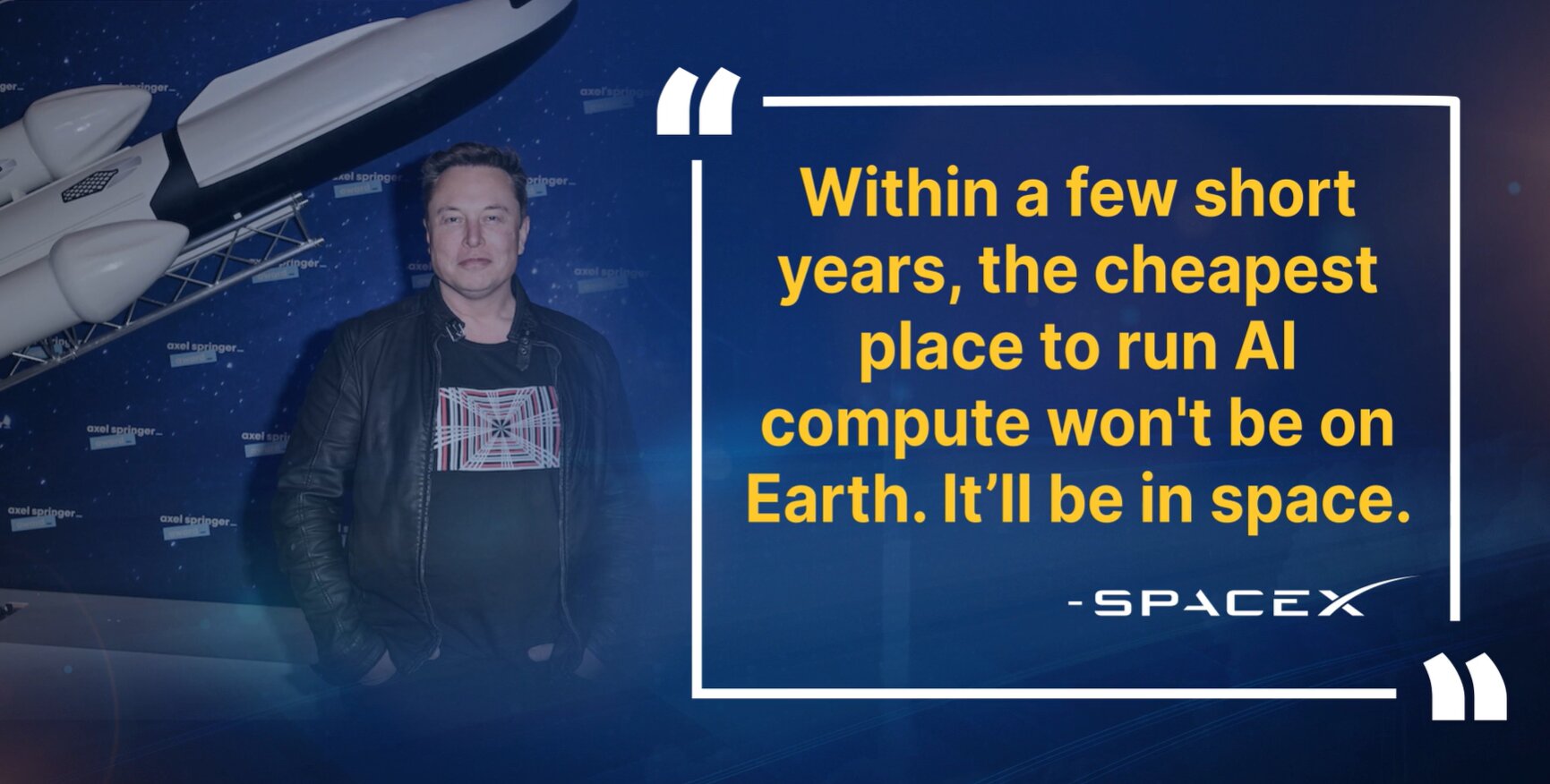
SpaceX wrote, and I quote, that within a few short years, the cheapest place to run AI compute won't be on Earth.
It'll be in outer space.
JOHN: That could blow the bottleneck wide open.
MICHAEL: Completely. And this is exactly why the SpaceX merger with xAI happened in the first place.
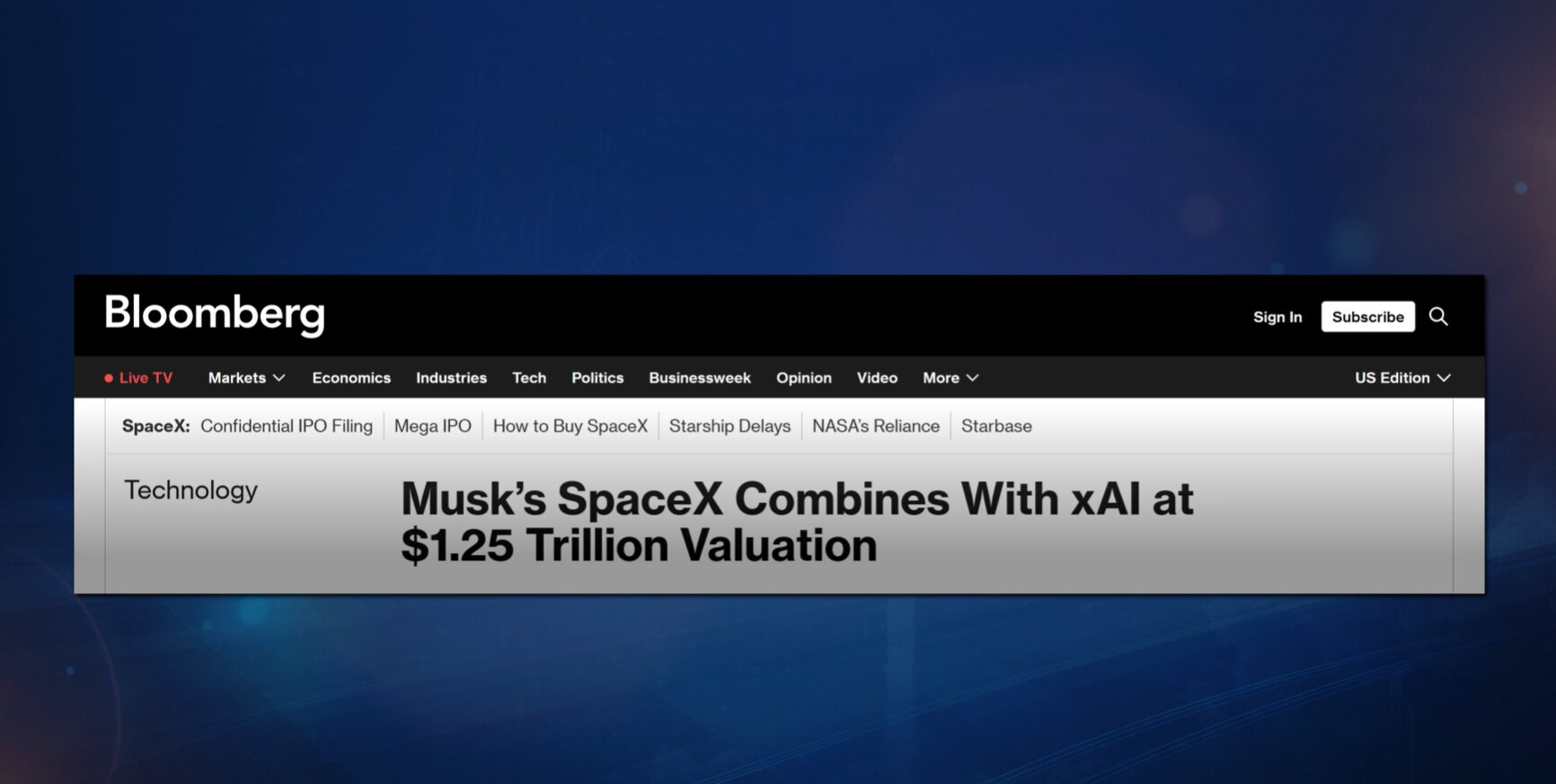
On Feb. 2, Elon officially merged SpaceX and xAI into a single entity.
It's the largest merger in history.
And in the announcement, Elon didn't mince words. He wrote: "Space-based AI is obviously the only way to scale."
In one stroke, he created one of the most powerful companies on the planet.
SpaceX builds the rockets …
Starlink provides the global data network …
xAI builds the AI models …
And Starship … his next-generation super heavy rocket … ships these orbital data centers into space.
JOHN: Every single piece of the puzzle under one roof …
MICHAEL: That's "Project Unlimited" …
JOHN: And you believe the IPO is definitely happening … even after the merger?
MICHAEL: Without a doubt.
Bloomberg reports it could come as early as this summer.
I believe it could happen before June 30.
And with its $1.75 trillion valuation …
It's set to become the largest IPO in history.
But a major chunk of that money is earmarked for one thing only …
JOHN: Launching orbital AI data centers.
MICHAEL: This is the largest private infrastructure project in human history …
When you look at the numbers … the capital, the scale, the technology …
Nothing else comes close.
And here's what should make every investor sit up straight …
The idea of putting AI data centers in space makes so much sense …
That major AI players are now racing to get in on it, too.
Elon’s brilliant vision is forcing everyone else to play catch-up.
JOHN: So, they've done the math and stopped calling Elon crazy …
MICHAEL: Jeff Bezos' Blue Origin just unveiled a 5,400-satellite constellation called TeraWave.
Its purpose? Feed data centers at speeds up to 6 terabytes per second. Rollout starts late 2027.
Google launched something called Project Suncatcher. It's their plan to run AI on solar-powered satellites …
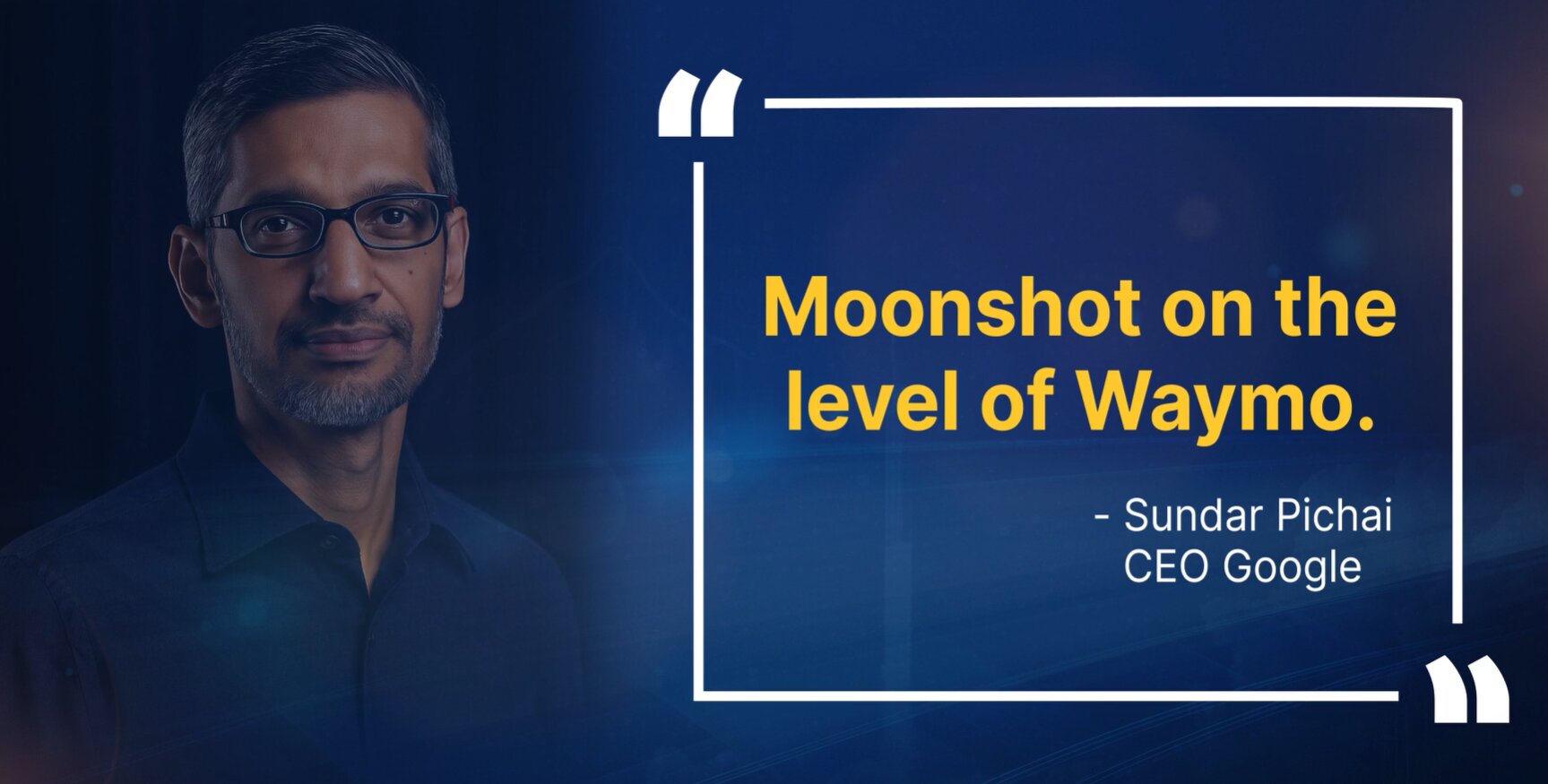
CEO Sundar Pichai called it a "moonshot" on the level of Waymo. They'll fly prototypes by early 2027.
Nvidia went even further …
They backed a startup called Starcloud. And last November, Starcloud did something no one has done before.
They trained an AI model in outer space.
JOHN: An actual working AI model … running in orbit?
MICHAEL: It was a prototype. A proof of concept …
They put an Nvidia H100 chip onto a satellite. And ran a Google language model outside the atmosphere.
That's never been done. Until now.
JOHN: I thought this was years out. I had no idea all of this was already in motion.
MICHAEL: It is. And it's moving fast.
And anyone not paying attention … risks missing what I believe is the single biggest investment opportunity of our lifetime.
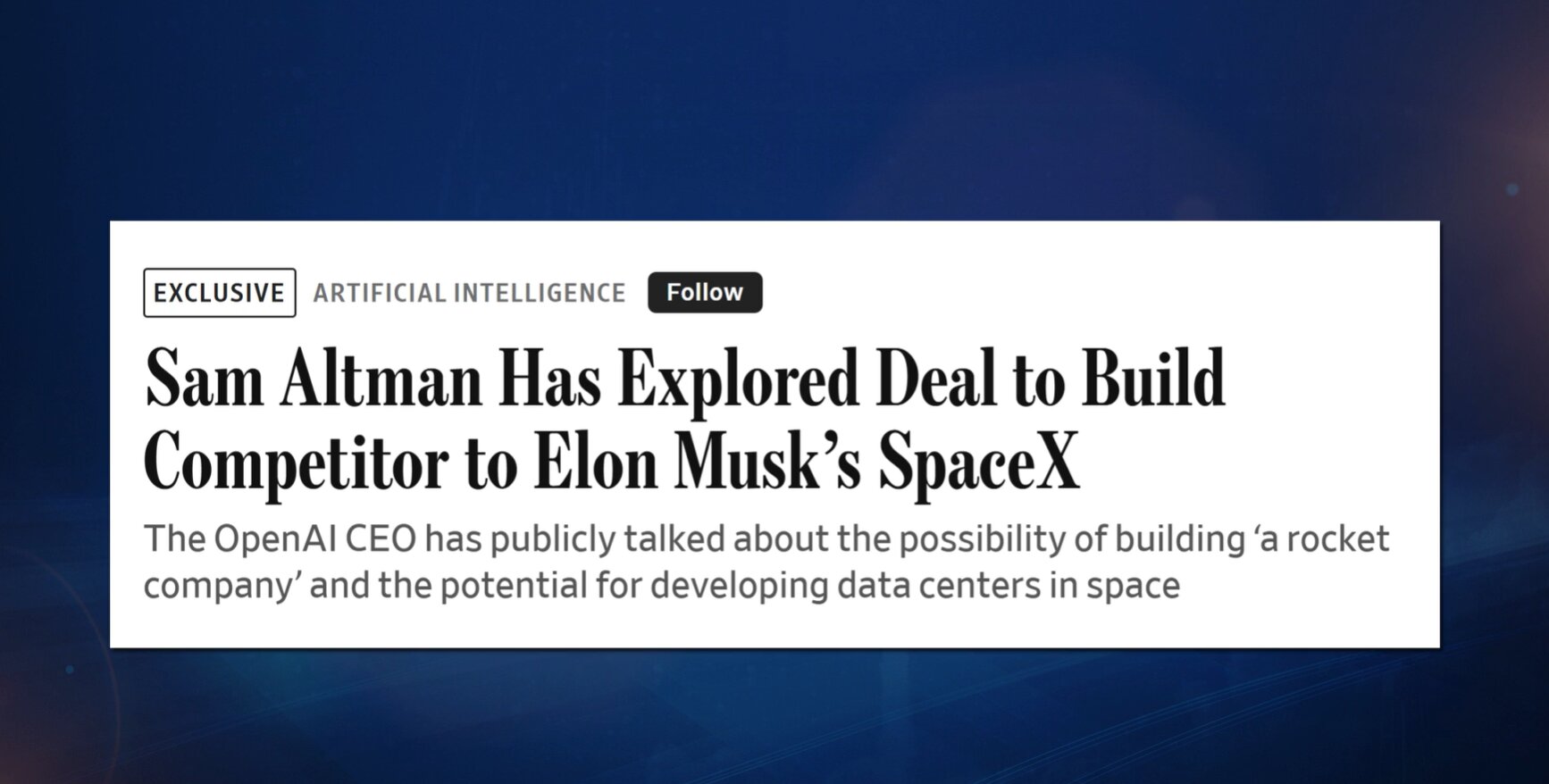
Even Sam Altman … CEO of OpenAI and Elon's biggest rival … is reportedly looking to invest in a rocket company to build orbital data centers for ChatGPT.
JOHN: So Bezos, Google, Nvidia, OpenAI … they're all chasing Elon's blueprint.
MICHAEL: All of them.
JOHN: But if everyone's doing this, what makes SpaceX special?
MICHAEL: Here's where most people get tripped up.
They look at this race and think: "Who comes out on top? Elon? Bezos? Google?"
But that's the wrong question entirely.
JOHN: What's the right question?
MICHAEL: How does any of this stuff actually get to space?
JOHN: By rockets.
MICHAEL: By rockets! And who controls the rockets?
JOHN: Elon.
MICHAEL: That's right.
SpaceX dominates over 60% of the global commercial launch market.
In the U.S.? It's closer to 95%.
Now look at the so-called competition …
Blue Origin's New Glenn has launched twice. It's not even certified for national security missions yet.
Former Google CEO, Eric Schmidt's Relativity Space hasn't reached orbit yet.
And Google? They don't even build rockets at all …
Google’s CEO admitted that Project Suncatcher only works because of SpaceX's breakthroughs in launch technology.
Think about what that means, John.
JOHN: Every single company racing to put AI data centers in orbit … they all need a ride to space …
MICHAEL: And there's only one company in the world with the rockets … the launch pads … and the track record to get them there.
JOHN: SpaceX.
MICHAEL: SpaceX.
In the 1800s, it didn't matter if you shipped cattle, coal or cotton. If you wanted to move goods across this country, you paid the railroad.
Carnegie didn't get rich by picking the right cargo. He got rich because he owned the tracks.
Elon isn't just building his own data centers in space. He's building the only path to orbit.
JOHN: He's the tollbooth.
MICHAEL: That's right.
Every satellite Bezos launches? SpaceX hauls it up.
Every Google prototype headed to orbit? SpaceX.
Every Nvidia chip Starcloud straps to a satellite? SpaceX.
And remember … Elon already owns the largest satellite network in the world. Nearly 10,000 Starlink birds in orbit right now …
JOHN: With one million more on the way.
MICHAEL: Think about the big picture …
Elon owns the rockets. He owns the satellite network.
And soon, he'll control the largest AI data center system ever built.
JOHN: So, no matter what happens, SpaceX collects.
MICHAEL: That's the genius of "Project Unlimited." It's a bet on the entire space-based AI economy.
Ushered in by the SpaceX IPO …
JOHN: So, we should load up on SpaceX the second it goes public?
MICHAEL: In the long run, that's probably a good investment.
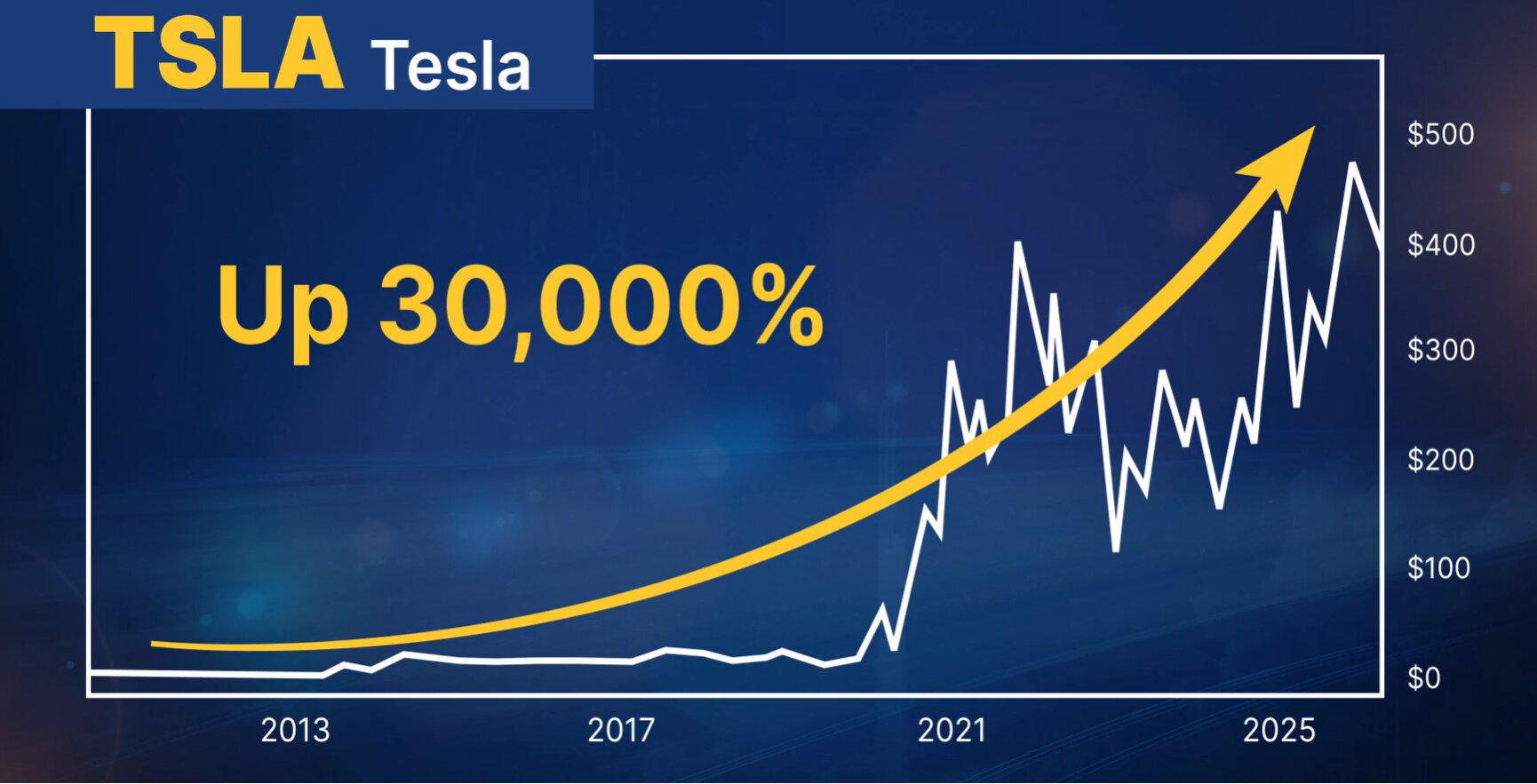
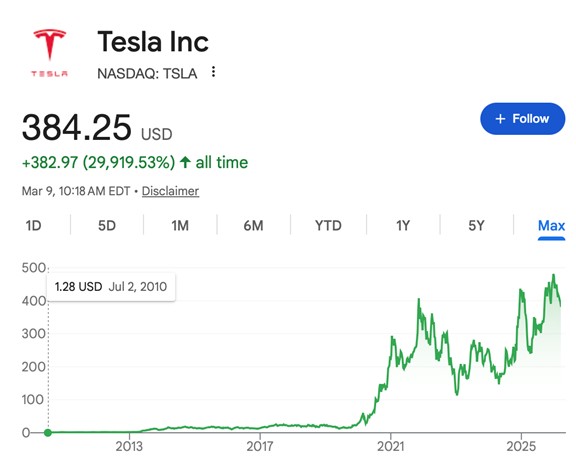
You look at Tesla, it’s up around 30,000% since Elon took it public in 2010.
But here's the thing, John …
Everyone and their brother-in-law will rush to buy SpaceX the moment it starts trading. That's the obvious play.
The problem is …
By the time regular people get their shares, the biggest gains will already be locked in by private investors.
The real opportunity … the asymmetric play that could generate a windfall in the months that follow … is something most people are likely to completely overlook.
JOHN: Tell me more.
MICHAEL: There's an under-the-radar company almost nobody talks about …
That plays a mission-critical role in everything Elon is building.
Get this. This company has actually worked alongside SpaceX for over a decade.
Yet 999 of 1,000 investors probably don’t have a clue that it’s a valued SpaceX partner.
It supplies critical technology that's absolutely essential to the buildout of orbital data centers.
Without their components, those satellites don't launch. The data doesn't flow. The whole system grinds to a halt.
JOHN: It's that important?
MICHAEL: SpaceX itself calls this company instrumental to Starlink's success.
Their chips are inside virtually every Starlink user terminal.
Every satellite.
Over the past decade, they've shipped more than 5 billion chips to SpaceX.
And that number is expected to double to 10 billion chips by 2027.
Right now … while the world focuses on SpaceX … this company still flies under the radar. Trading at a fraction of where I believe it belongs.
But I think this window of opportunity could close fast.
In fact, I believe a June 30 event is coming that could turn this company into a household name.
JOHN: What sort of return could investors be looking at here?
MICHAEL: Let me put it in perspective. Because I’ve seen this exact pattern play out before …
When the headline company grabs all the attention … it’s actually the hidden supplier … the company nobody talks about … that often delivers exceptional gains.
Just look at Broadcom …
This is the company that used to make the chips inside every iPhone. Without Broadcom, your iPhone wouldn't connect to Wi-Fi, Bluetooth or GPS …
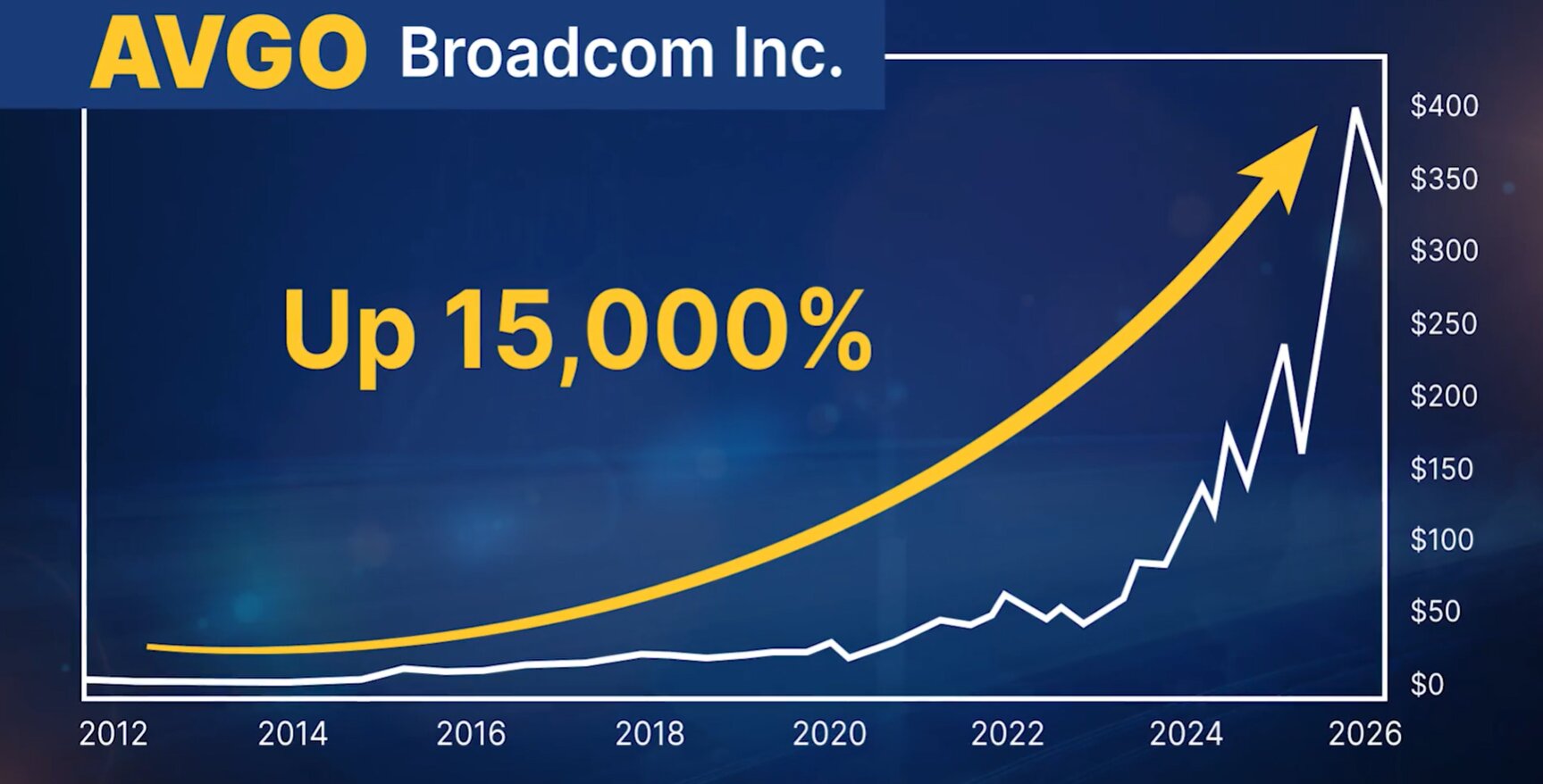
Broadcom surged over 15,000% from 2012 to today.
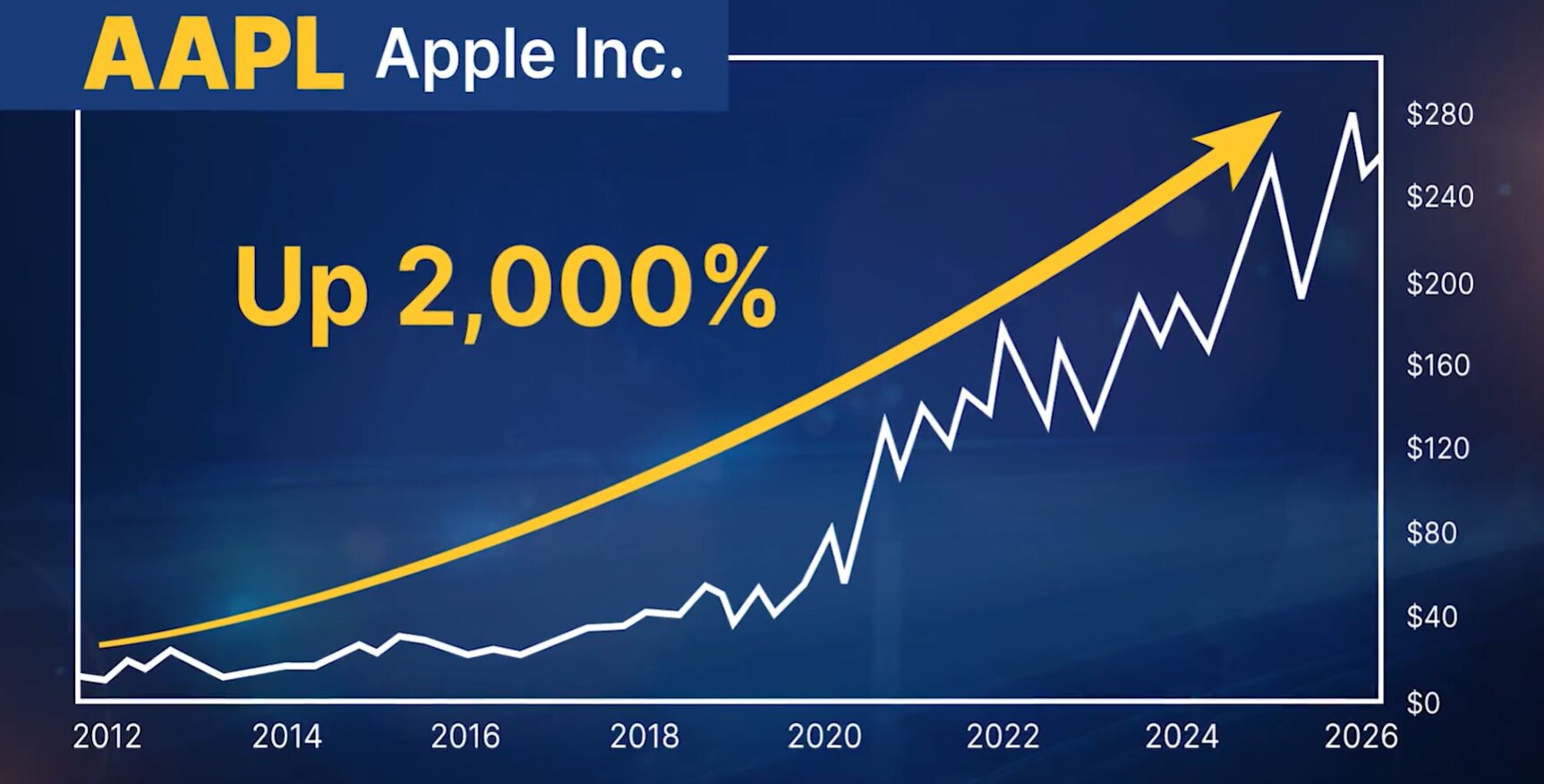
Apple? Up “only” 2,000% during the same time period.
JOHN: Wait. The supplier outperformed Apple, the biggest company in the world, by 7-to-1?
MICHAEL: Exactly. By 7-to-1. And it wasn’t even close.
Now look at Vertiv. They build the cooling and power management systems that keep Nvidia's AI data centers from melting down.
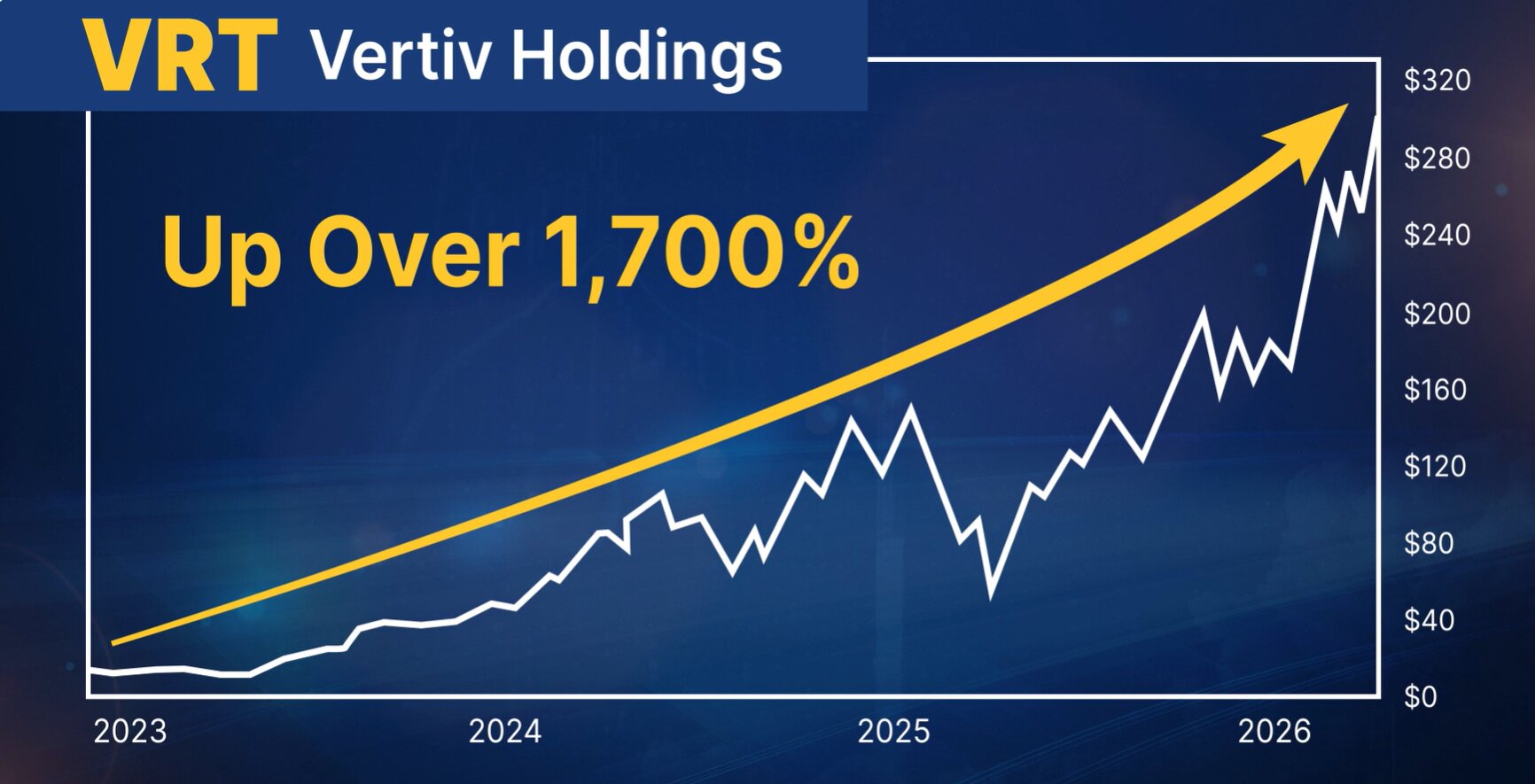
Since February 2023, its shares are up over 1,700%.
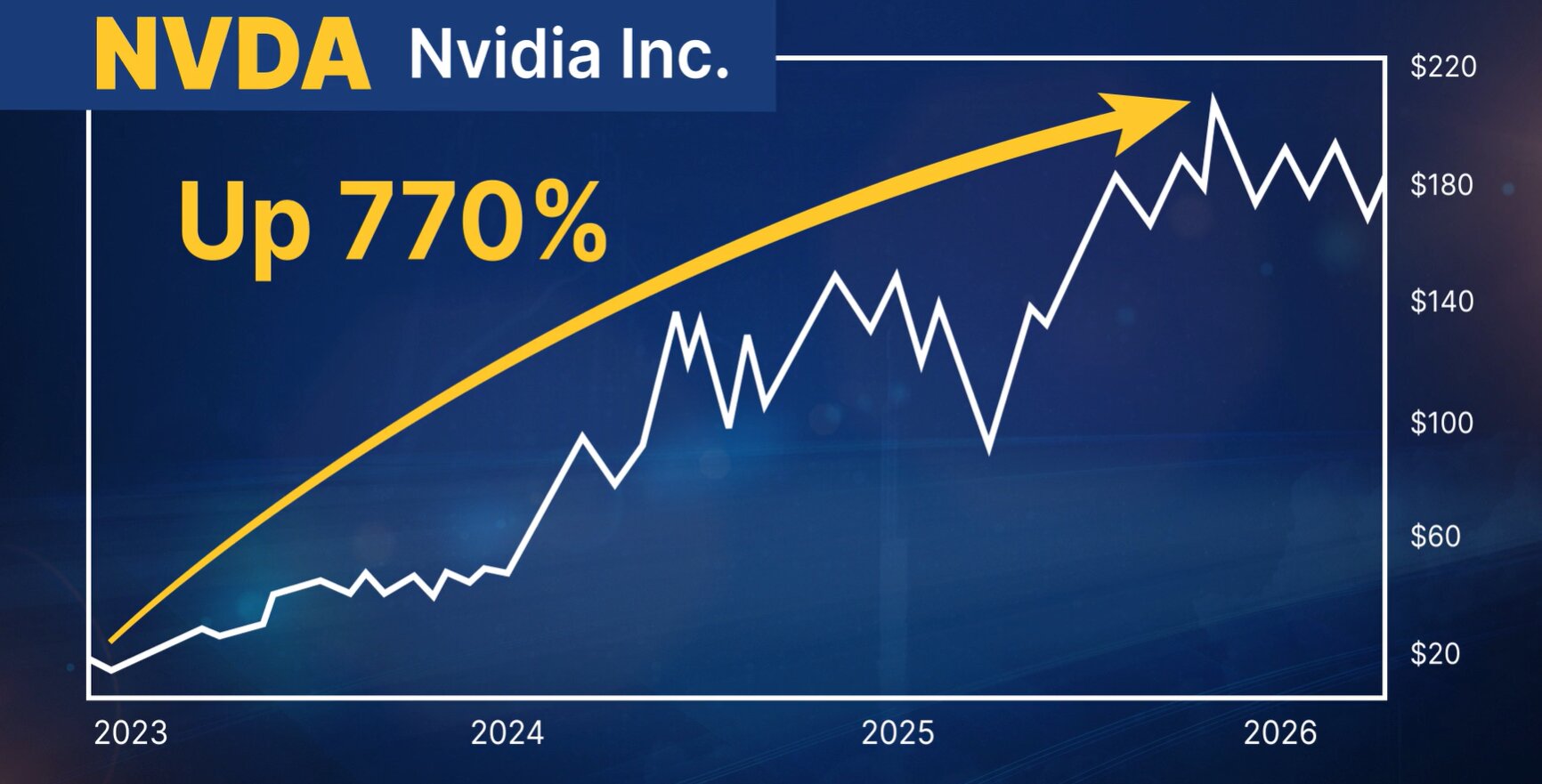
Nvidia during that same stretch? Up around 770%.
JOHN: So, a company most people have never heard of crushed Nvidia?
MICHAEL: Doubled Nvidia’s return. And it gets even better John …
Super Micro Computer. The company that builds servers housing Nvidia's GPUs.
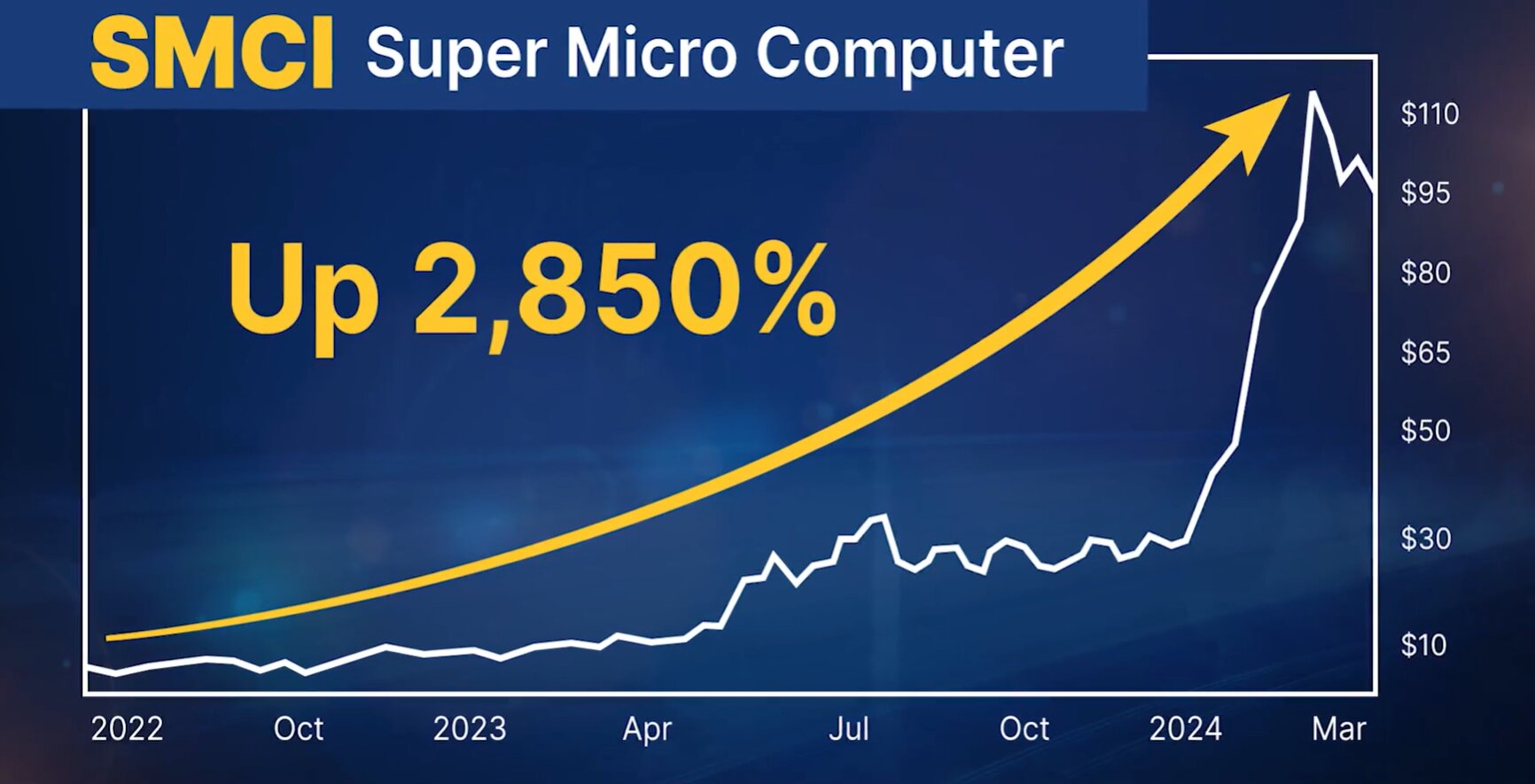
From July 2022 to its peak in March 2024, Super Micro soared 2,850%.
JOHN: That’s 28x … in under two years.
MICHAEL: As you can see, this has happened several times recently.
These "hidden" plays can crush the obvious hot stock everyone's chasing.
Broadcom beat Apple. Vertiv and Super Micro beat Nvidia …
JOHN: So you believe it's about to happen again?
MICHAEL:
Right now, there’s a company sitting in the exact same position inside SpaceX’s critical supply chain.
And it’s 1/60th the size of SpaceX’s value.
And it's trading at a price that … frankly, doesn’t yet reflect what’s about to hit.
JOHN: That’s the company you’ve been talking about … the partner that’s delivered 5 billion chips to SpaceX over the past decade …
But is about to double that total to 10 billion chips to SpaceX by 2027.
MICHAEL: That’s the one. And I’ve laid out everything …
The full case, the name and ticker symbol, the numbers and exactly how you can take advantage of it …
In a special report called …
"Project Unlimited: The Top Stock Powering Elon's Race to Save AI."
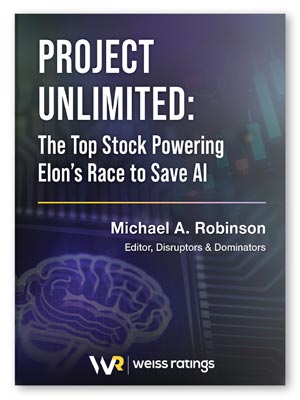
I'm ready to rush this report to everyone watching today.
And I'll show you exactly how to claim it in just a moment …
But first, there's one more thing I want to share with our viewers …
Because the SpaceX IPO isn't just about one company going public …
And it isn't just about building AI in space …
It's the birth of an entirely new economy.
JOHN: The space economy?
MICHAEL: That's right. Space economy is already worth $613 billion as of today.
Morgan Stanley says it'll hit $1 trillion by 2040 …
McKinsey thinks it could reach $1.8 trillion by 2035.
And Bank of America predicts over $3 trillion …
Now. Those forecasts were made before the SpaceX merger with xAI …
Before Elon’s FCC filing to put 1 million data centers in space …
Before anyone even imagined orbital AI data centers.
JOHN: So those numbers could already be too low …
MICHAEL: Way too low. If we leave the whole "AI in space" story aside for a moment …
SpaceX has already become essential infrastructure … something governments can't function without.
Check this out …
NASA has launched 11 missions on SpaceX rockets so far.
And the Federal Aviation Administration (FAA) just allowed SpaceX to increase the number of launches from their site in Texas …
From five launches per year … to 25 launches per year …
JOHN: Wow, that’s like a launch every couple of weeks!
MICHAEL: Right. A substantial increase …
That's because SpaceX is the only rocket company that can put astronauts in orbit and bring them home safely.
Remember the two astronauts, Butch Wilmore and Suni Williams, who launched to the Space Station on a Boeing capsule for what was supposed to be an eight-day mission?
JOHN: Oh, I remember that. It was a couple of years ago …
Those eight days turned into nine months. Because Boeing's spacecraft broke down in orbit and they were stuck up there.
MICHAEL: What a mess. Guess who NASA had to call for help?
JOHN: SpaceX.
MICHAEL: SpaceX. The only ride back to Earth. They splashed down safely in March 2025.
Think about what that means …
The United States government … the most powerful institution on the planet … had no backup plan. They had to call SpaceX for help.
JOHN: That's not a company. That's a monopoly.
MICHAEL: And I believe it's only going to get bigger.
The Pentagon just tapped SpaceX for the Golden Dome, the next-generation missile defense shield.
Congress approved $13.4 billion for space and missile defense this year alone …
The Space Force budget hit $40 billion. Up 30% from last year.
JOHN: Tens of billions pouring in from the government. And that's just one stream …
MICHAEL: Starlink already pulls in nearly $13 billion a year in revenue. Nearly 10,000 satellites in orbit. The largest network in history.
SpaceX controls over 60% of the global launch market.
Add it all up, John …
NASA needs SpaceX to fly astronauts. The Pentagon needs SpaceX to defend U.S. soil. Starlink is serving private customers and generating billions.
JOHN: Every dollar flows through SpaceX … and the IPO hasn't even happened yet.
MICHAEL: Right? Now picture what happens when a company this essential … this embedded in the government … this dominant in its market … finally goes public.
Think back to what Amazon's IPO in 1997 did for the e-commerce market.
Around that time, most people still didn't trust the internet with their credit cards.
JOHN: Oh, I remember … Amazon was a little more than an online bookstore.
MICHAEL: Right. Wall Street didn't know what to make of it.
But that single IPO validated the entire industry.
It proved e-commerce was real … that the internet wasn't a fad.
And it lit a fuse under the best internet stocks on the planet.
Qualcomm surged 2,619% in a single year.
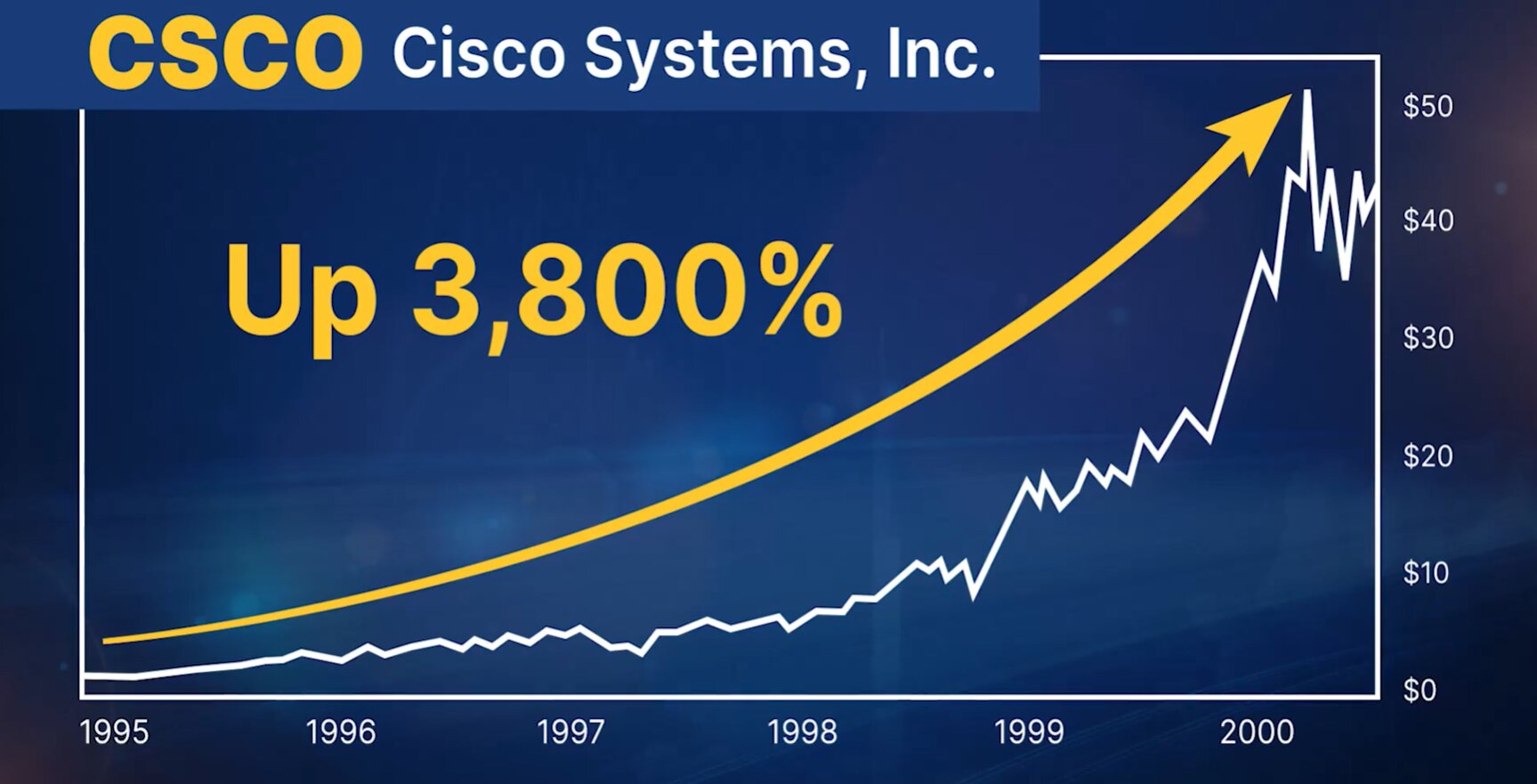
Cisco ran 3,800% over five years …
And AOL rode the wave to gains north of 70,000%.
JOHN: And you're saying this is a pattern?
MICHAEL: 100%. It happened again in 2021 when Coinbase went public …
This was the first major crypto company publicly trading on a U.S. exchange.
And that single event stamped crypto as a legitimate asset class in the eyes of Wall Street.
Guess what happened next?
Companies already positioned in that ecosystem shot up like rockets …
Between June of 2020 and February of 2024.
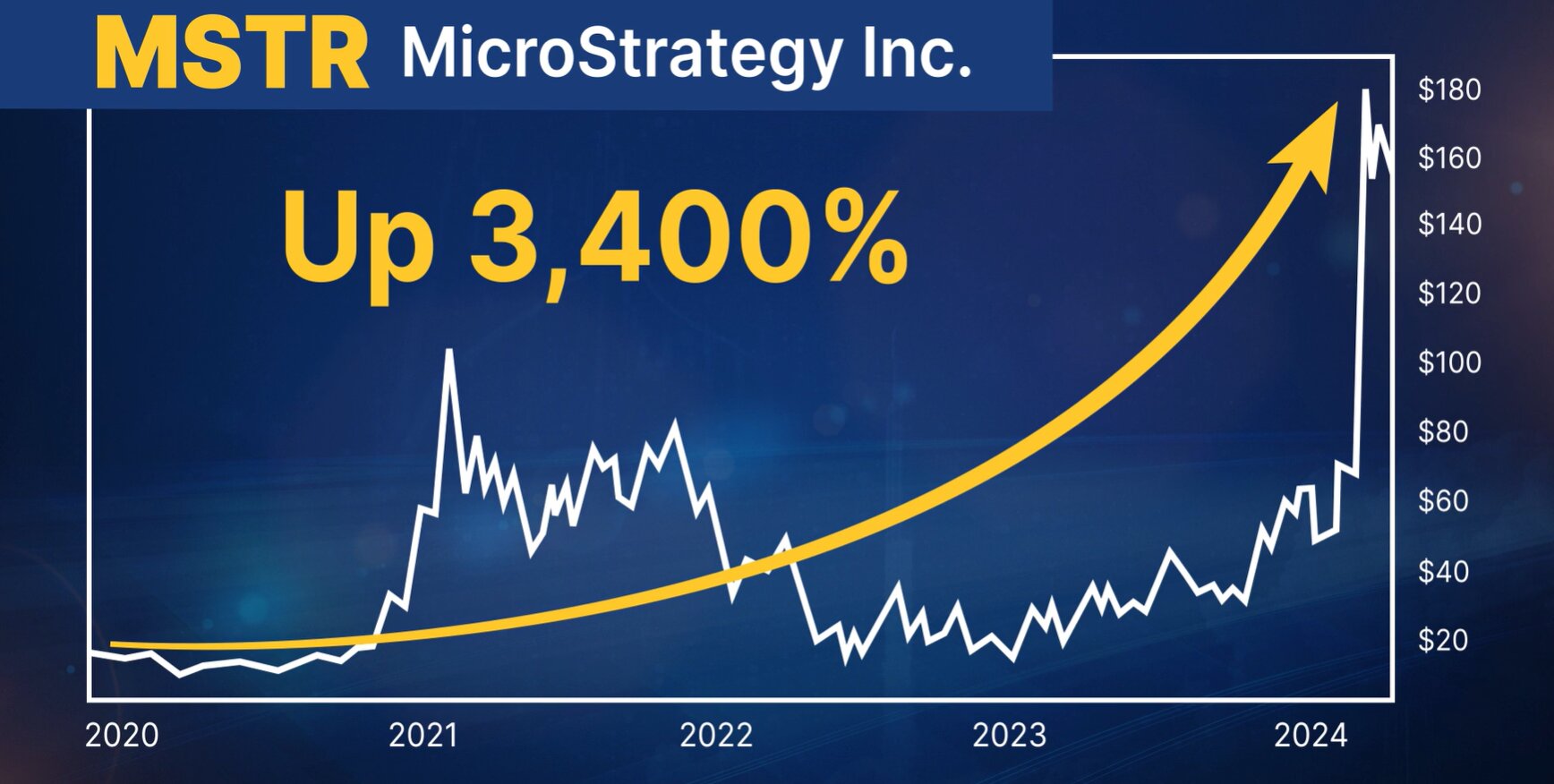
MicroStrategy surged more than 3,400% and …
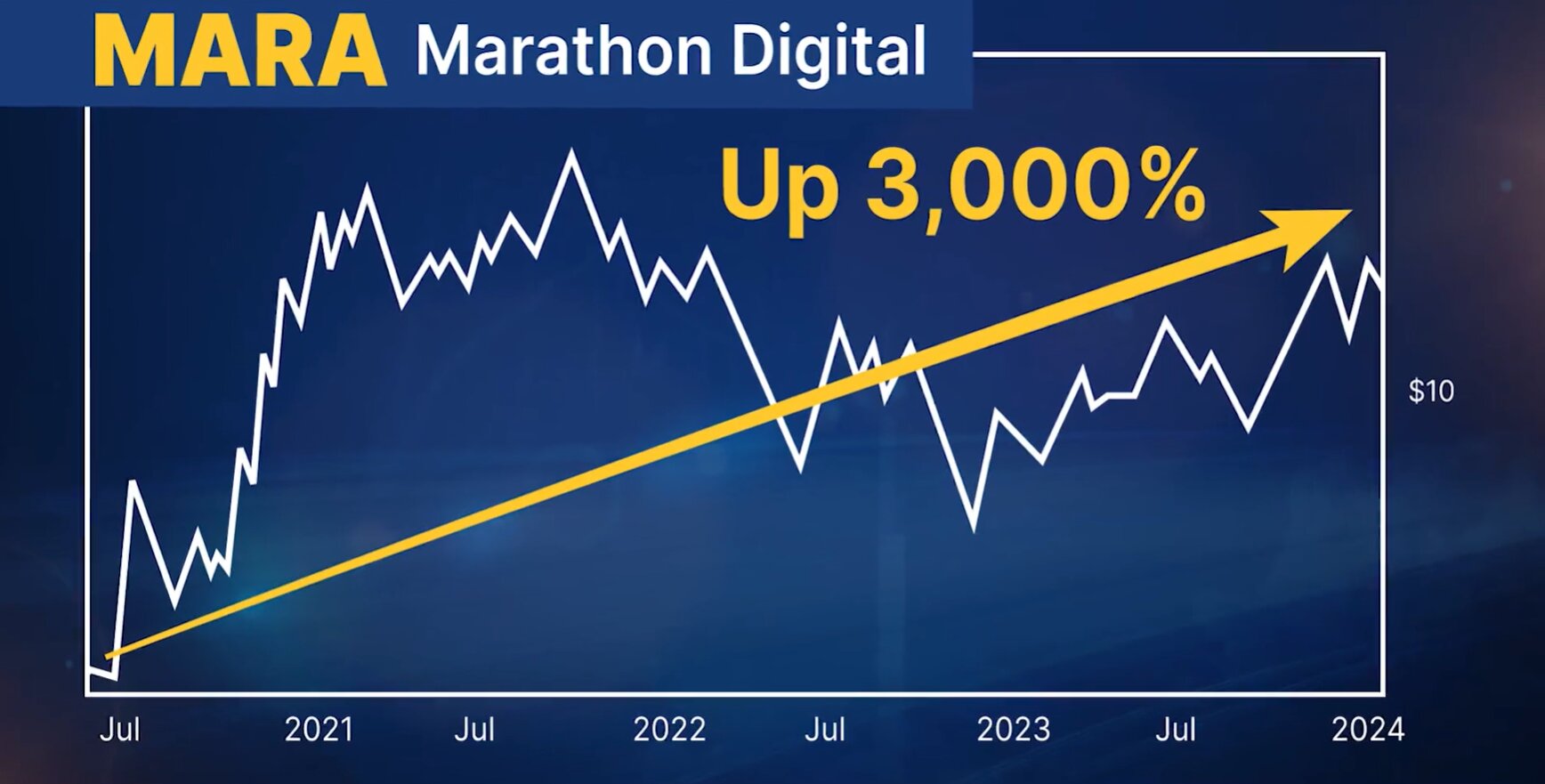
Marathon Digital, a Bitcoin miner, climbed over 3,000% …
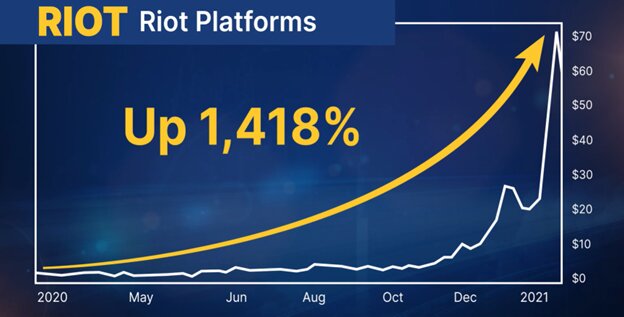
And Riot Platforms jumped 1,418% in 14 months …
JOHN: And you think the SpaceX IPO could trigger the same kind of wave.
MICHAEL: Not just a wave, John. To borrow Elon's words … I think this is going to be a supersonic tsunami.
Yahoo Finance reports, “SpaceX IPO will redefine the entire space industry and lift valuations across the board.”
Once that IPO hits, the entire space sector will be front-page news.
Every analyst on Wall Street will be scrambling to find the suppliers.
The window of opportunity to get in BEFORE the crowd figures it out … could close the moment SpaceX starts trading.
AJ Bell investment director Russ Mould, said the SpaceX merger with xAI "may only whet the appetite ahead of what could be the largest IPO of all time."
In other words, when the flood of capital starts pouring in …
It won't just flow into SpaceX. My research tells me it will flood into the companies critical for the space economy to function.
I'm talking about the firms making the components that keep satellites alive in orbit …
The builders who make sure billions of dollars of hardware don't get destroyed on the way up …
And I've identified two under-the-radar firms I believe could ride this tsunami the hardest.
JOHN: Can you tell us more about them?
MICHAEL: The first company is the secret weapon inside many rockets flying today.
Many of the big players like Boeing, Lockheed, to name a few … use their parts.
JOHN: Why is that?
MICHAEL: Because it's one of the best at building the physical systems protecting satellite payloads during launch …
All the structures that keep billions of dollars' worth of hardware from getting destroyed on the way to orbit.
Sales are already up 42. They just hit $122 million in one quarter.
And their order backlog exploded to $758 million.
Do the math: As these companies launch more and more satellites in the next few years …
This backlog could be just the beginning.
The second company is a similar "picks and shovels" play of the coming space boom.
They build the parts that keep satellites alive in orbit …
Solar panels that power spacecraft for decades without failing …
Robotic arms that dock capsules to the Space Station …
And 3D printers that build tools in zero gravity.
JOHN: So, if it flies in space … chances are, this company's fingerprints are on it.
MICHAEL: Exactly.
Think about this … if a million SpaceX satellites are going into orbit, every single one needs solar panels to run 24/7.
Everyone needs deployable structures that unfold in space.
And every orbital data center needs robotic systems to assemble and maintain itself.
One company builds all three.
And this company’s financials are soaring.
Sales hit $335 million last year.
This year? They're on track to hit $500 million. That's up to 49% growth in a single year.
JOHN: So, the more satellites Elon launches …
MICHAEL: The more this company potentially gets paid.
Solar arrays. Deployment mechanisms. Robotic assembly.
SpaceX can't build a million-satellite constellation without them.
Simply put John, these two companies are strongly positioned the moment SpaceX goes public …
Both of these picks are still flying under the radar.
They're still trading at prices that don't reflect the tsunami of capital heading straight for this sector.
JOHN: So, while everyone fights over SpaceX shares on day one …
MICHAEL: These are the companies already embedded in the ecosystem.
Already supplying mission-critical technology … already winning contracts.
And once the floodgates open … these are the kinds of stocks that could move first and the highest.
I've laid out everything about both companies in a second special report called ...
"SpaceX IPO: 2 Plays to Ride the Coming Space Profit Tsunami.”
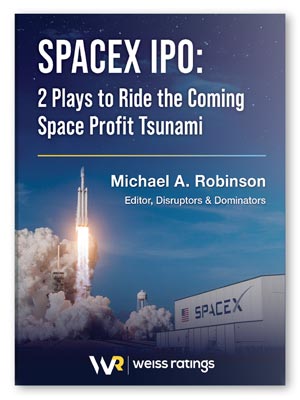
It covers who they are. What they build. Why they matter. And exactly how you can get in before the IPO hits.
I’m ready to send it to you together with my first report, "Project Unlimited: The Top Stock Powering Elon's Race to Save AI,” today.
JOHN: Two bonus reports. Michael, how and why are you willing to share all of this today?
MICHAEL: Because we're watching history in the making. And most people have no idea what time it is.
We've been handed what could be the greatest wealth creation opportunity of our lifetime …
And I want everyone to be able to take advantage of it.
JOHN: And I should mention … these reports aren’t available on Amazon. You won’t find them on eBay or in any bookstore.
MICHAEL: That's right. The only way to get them is through my special offer today.
JOHN: Ok, tell us more. How can our viewers claim these valuable reports?
MICHAEL: It's very simple. I am ready to ship these two reports straight to your inbox, today …
All I ask in return is one small favor …
Give my monthly technology newsletter, Disruptors and Dominators, a try.
JOHN: Now, for those of you who may not know Michael’s full background …
His track record is extraordinary.
Michael has spent more than 40 years at the forefront of the technology markets.
Not as an armchair analyst … but embedded in the industry itself.
He rubbed elbows with Lee Iacocca at Chrysler …
In the 1980s, he was involved with secretive space projects tied to President Reagan’s Strategic Defense Initiative …
In the 1990s, he was talking about “cloud computing” before the term even existed. He was literally in the room when this $3 trillion industry was born.
And in 2014, he went on Fox Business and predicted that Apple would become a trillion-dollar company. People laughed at him …
Four years later, Apple hit $1 trillion.
That kind of access to technology inner circles has helped Michael spot some of the biggest market moves well ahead of the crowd.
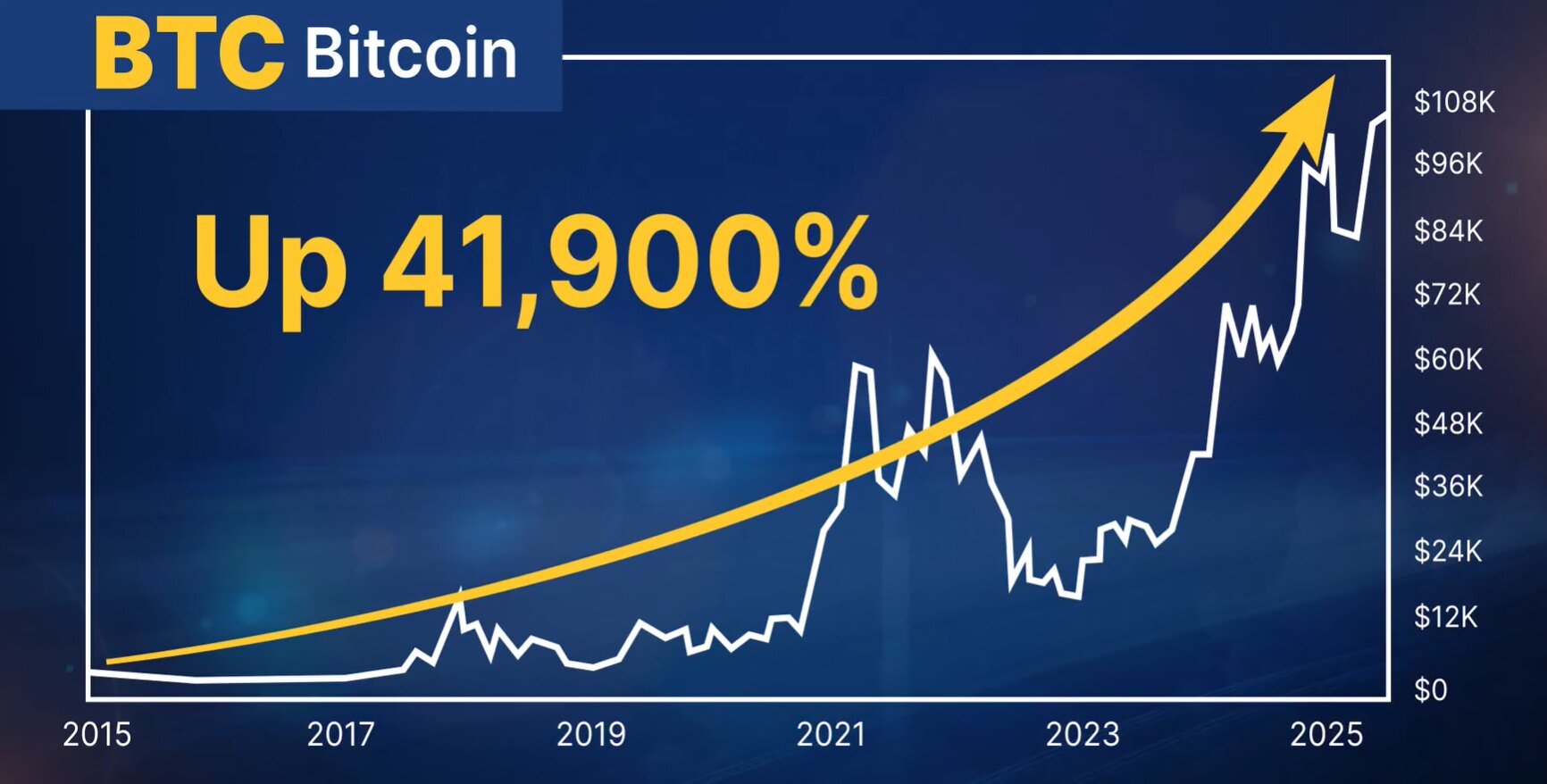
He called Bitcoin back in 2013 when it was trading at just $300. It rode to peak highs over 41,900% in 2025 …
He picked Nvidia at 80 cents per share in 2016. It’s climbed more than 22,000%.
And since 2013, his followers could have pocketed triple-digit gains more than 130 times.
Here are some of his more exceptional winners:
Like Novavax — up 316% in just over a year …
Shopify — up 401% in 18 months …
Vaxart — 375% in 2 months …
And a stunning 563% gain on Digital Turbine in just 6 months.
Now, with a track record like that, Weiss Ratings was thrilled to land Michael in June 2024 to manage Disruptors and Dominators.
Sure enough, the average gain across ALL stocks in our model portfolio is an astounding 52% — including the losers.
Just to put that into context …
Any financial advisor would be thrilled to show you 52% total returns over any time frame ... while pocketing fees from you every step of the way.
Turns out, the vast majority of financial advisors fail to match the S&P benchmark over a multiyear period anyway.
And yet 52% is the average gain … per position … since Michael took over Disruptors and Dominators …
And check this out …
The average win rate in the portfolio is at a whopping 72%.
In other words, 7 out of 10 stocks recommended in Disruptors and Dominators have been winners!
And with Michael at the helm, Disruptors and Dominators subscribers could’ve booked 18 triple-digit gains in his first 21 months …
Including …
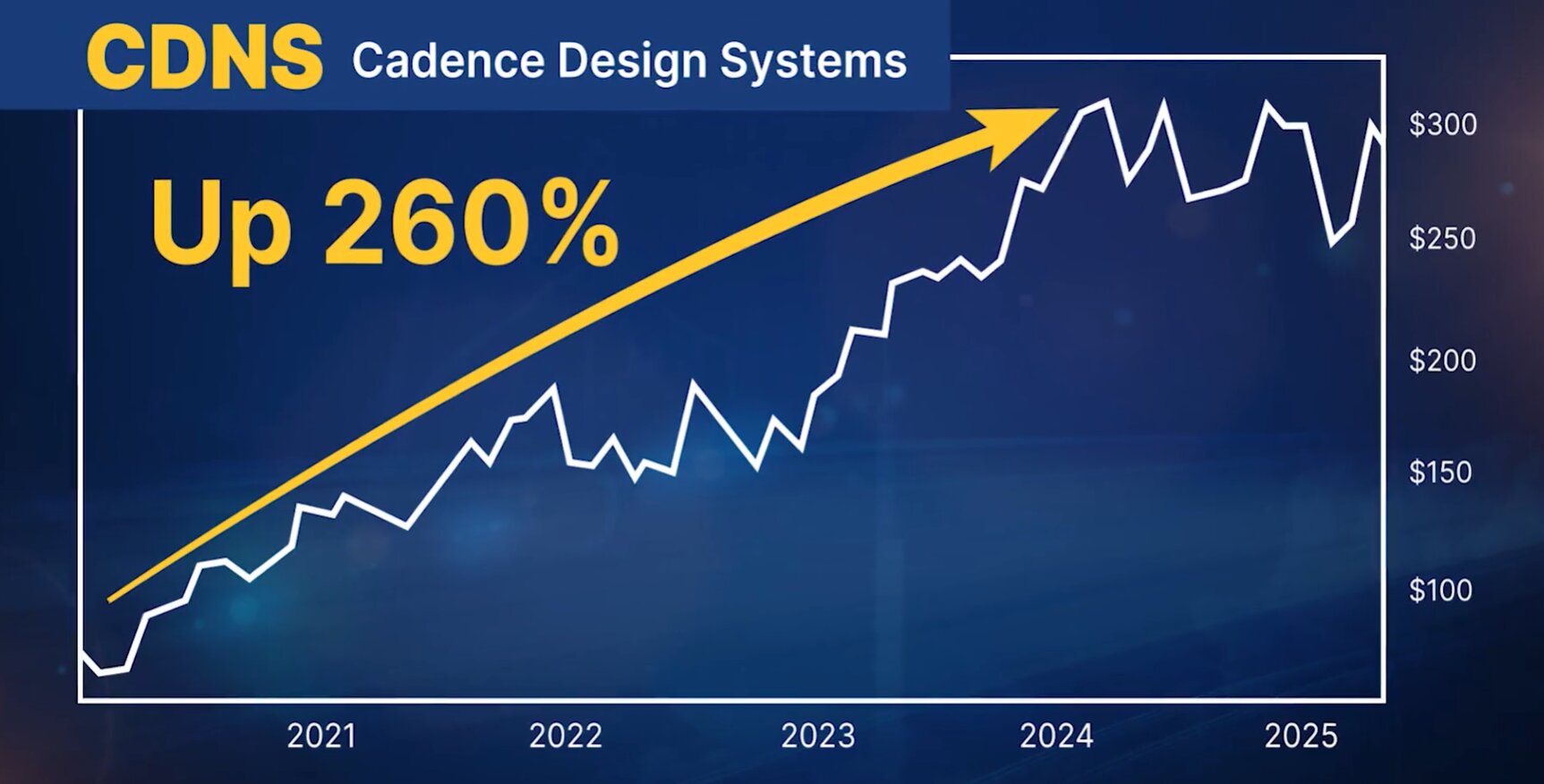
260% on Cadence Design Systems …
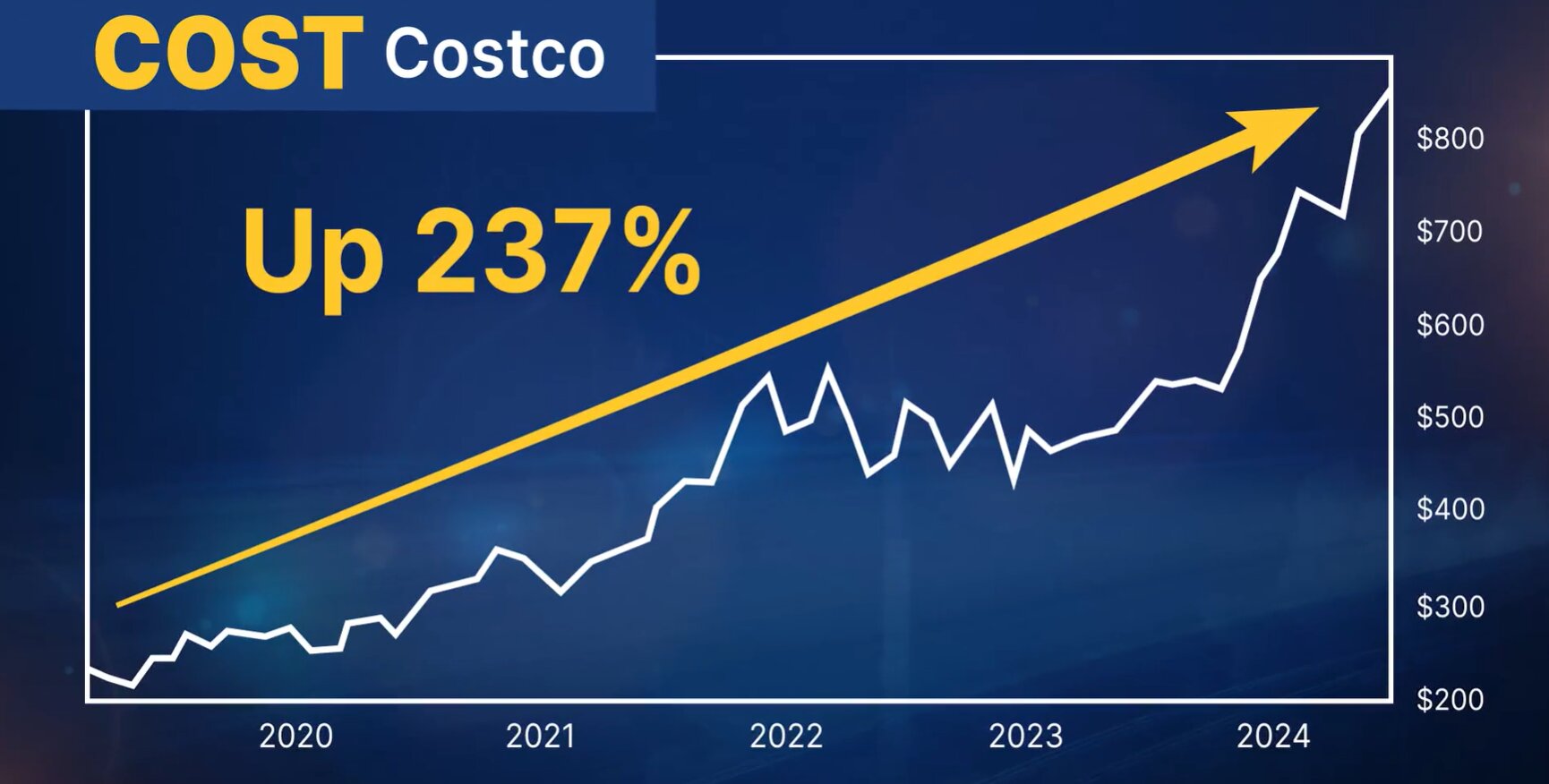
237% on Costco …
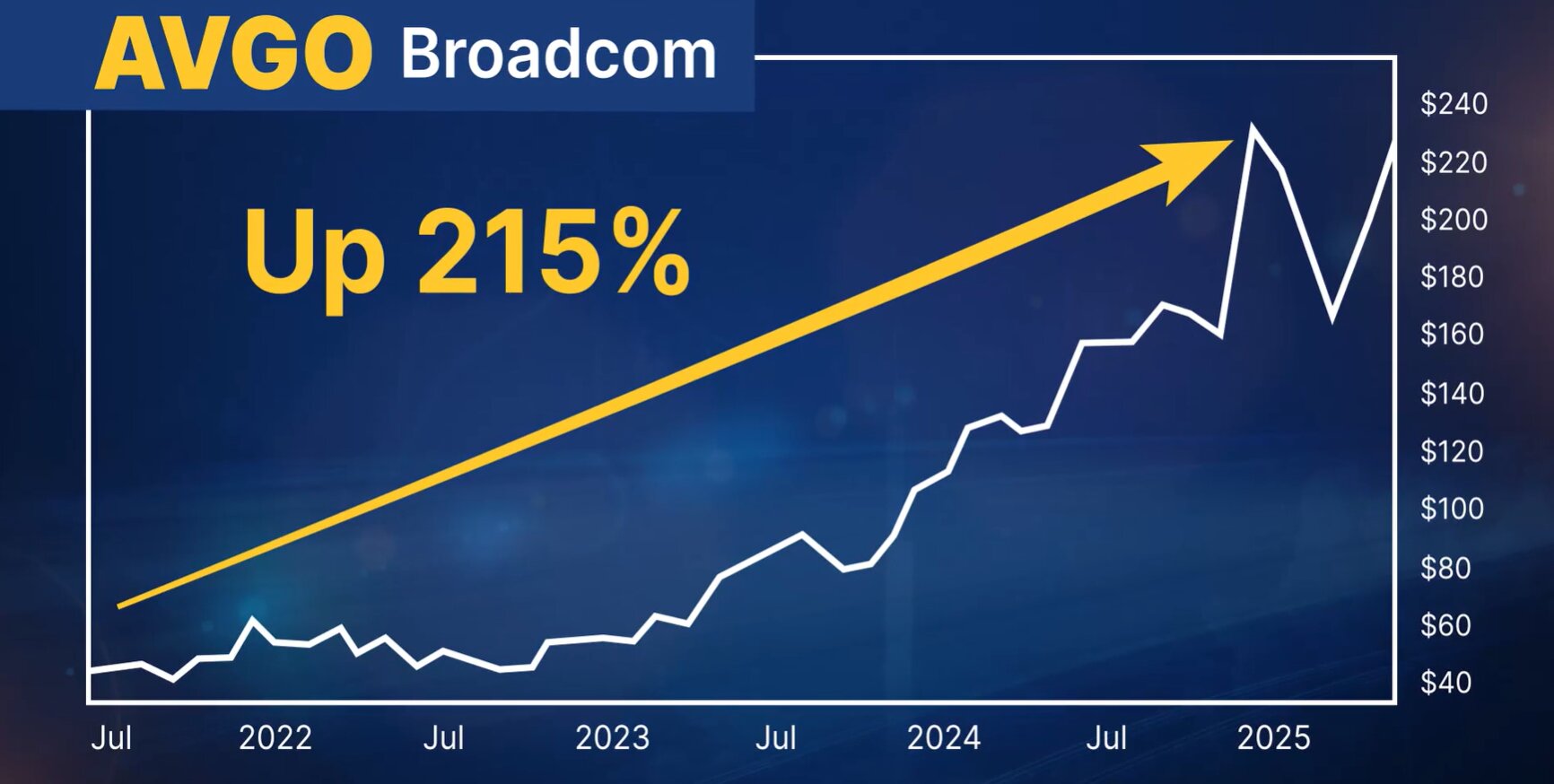
215% on Broadcom …
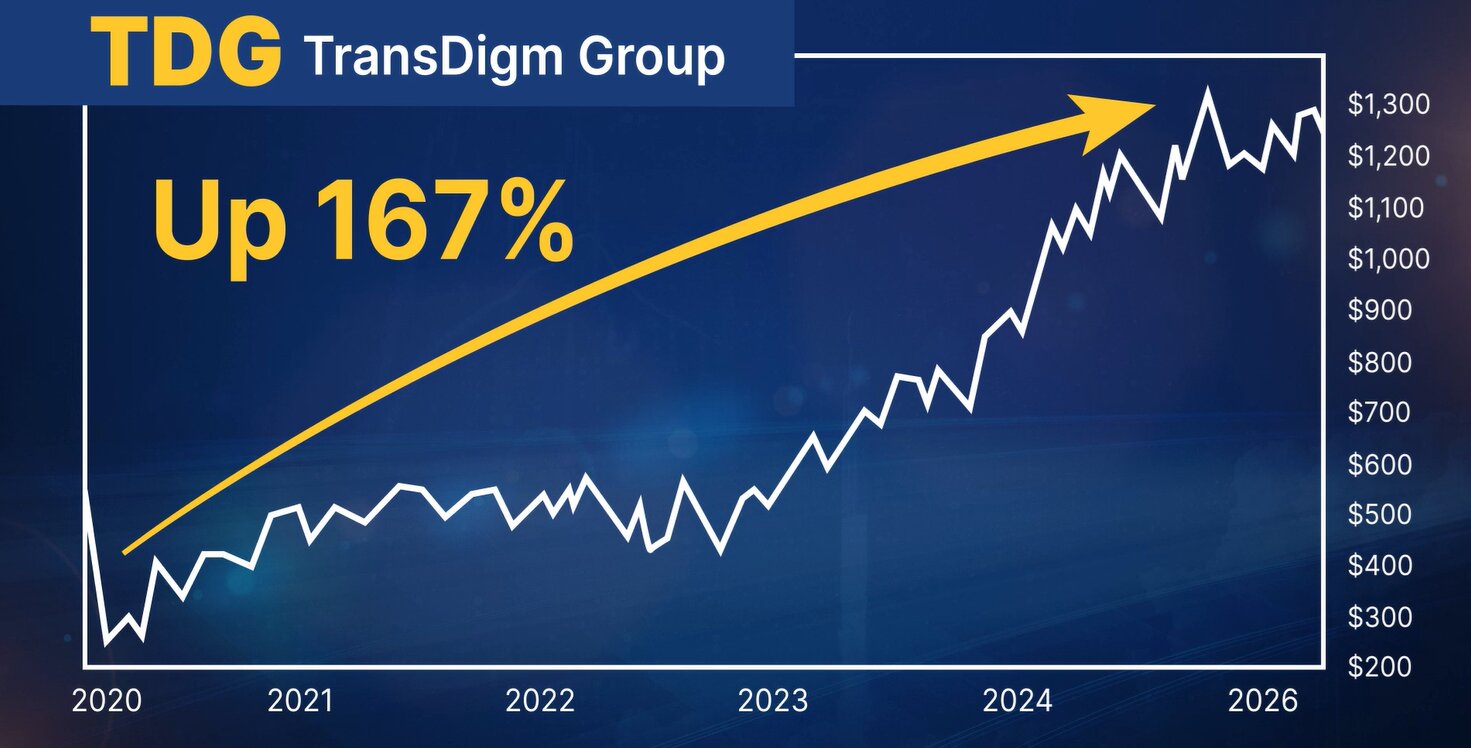
167% on TransDigm Group …
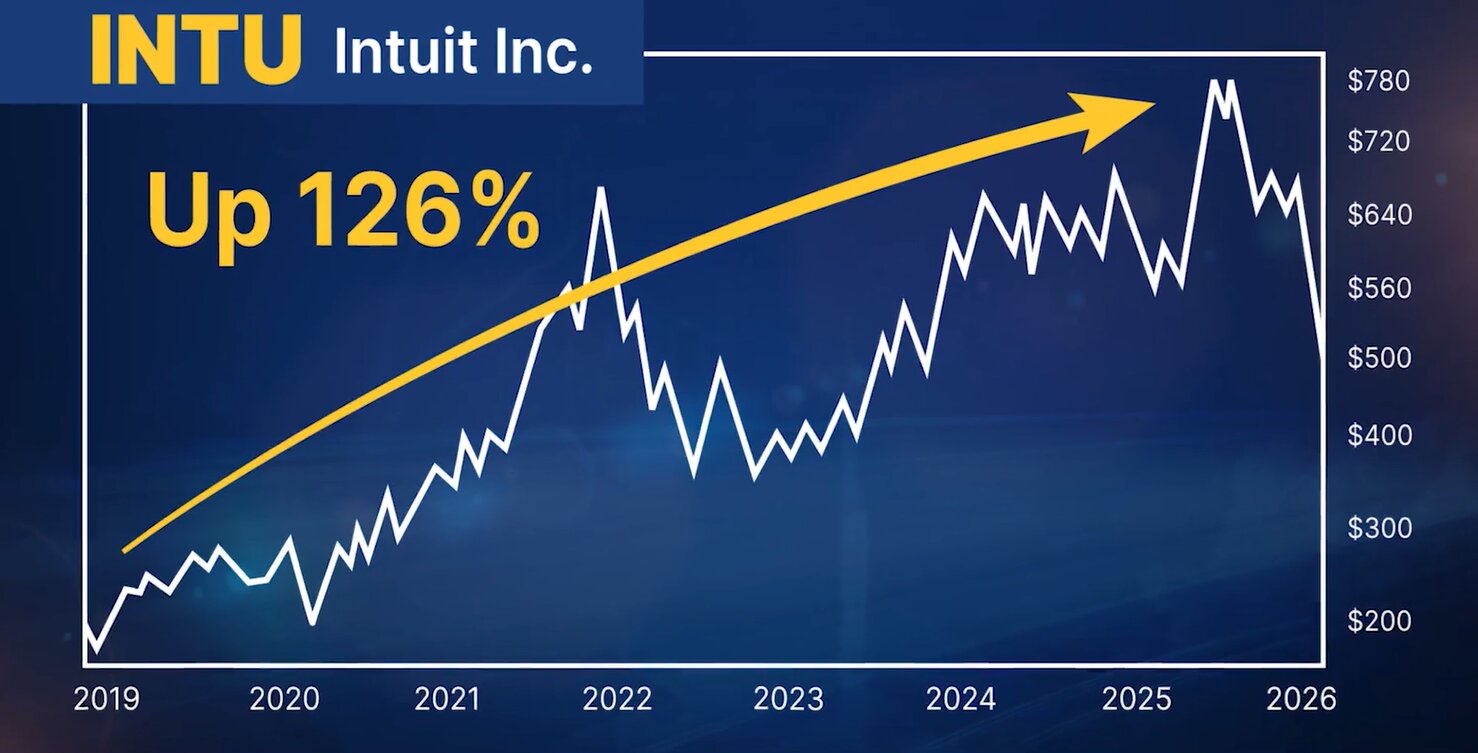
126% on Intuit …
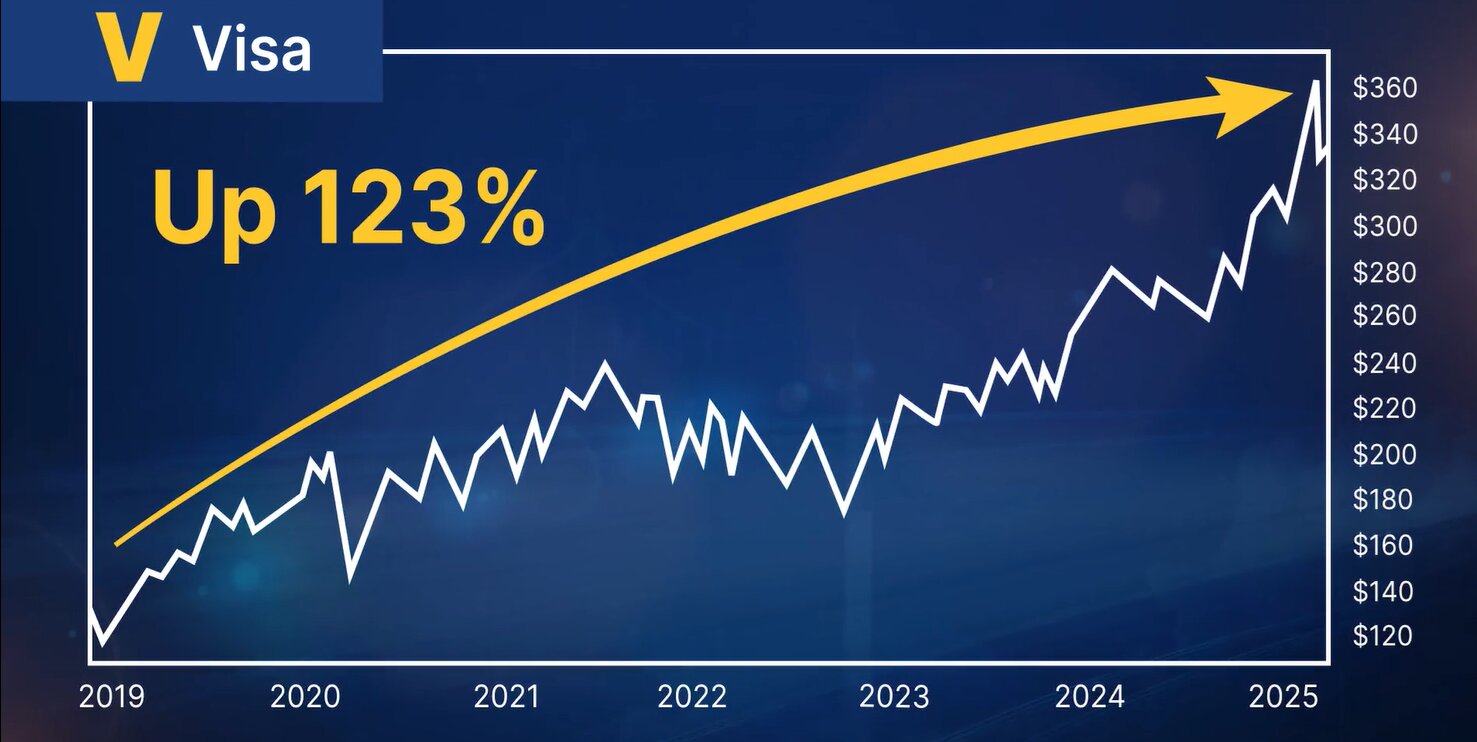
123% on Visa …
Just to name a few.
Now of course, when it comes to investing, nothing is ever guaranteed. You should never invest more than you’re willing to lose.
But here’s what makes Disruptors and Dominators truly special …
Every single recommendation Michael makes is backed by one of the most accurate stock rating systems in the world — Weiss Ratings.
And it's not just me saying that …
Weiss Ratings has earned the title as America’s #1 Stock Rating System from established entities in the financial world …
Like the Wall Street Journal.
In fact, according to the Journal, investors using Weiss Ratings could’ve made more money than investors who followed the ratings from …
Deutsche Bank … Merrill Lynch … JPMorgan Chase … Goldman Sachs … Standard and Poor’s … and every single other firm they reviewed.
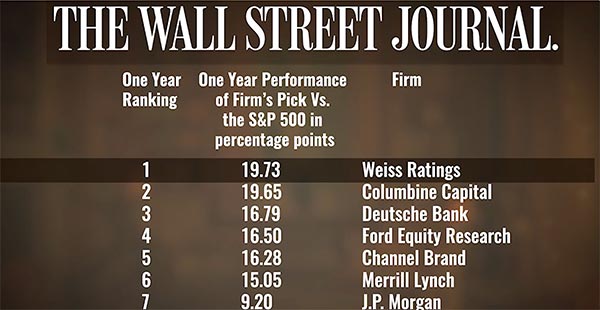
And when the U.S. Securities and Exchange Commission (SEC) conducted an internal study to determine which financial ratings company had the best profit track record for stocks …
Weiss Ratings didn’t just come up in the top 10 … top 5 … or top 3 …
They were the number one — overall!
And that's because Weiss Ratings is completely independent.
They’re not influenced by the businesses they rate … and they don’t accept a dollar from advertisers …
Weiss Ratings relies exclusively on unbiased data collected over decades.
It’s no wonder Worth Magazine said, “Weiss’ record … is so good compared with that of his competitors, nervous buyers need look no further.”
And so, when you combine Michael’s 40 years of tech expertise with the #1-rated stock system in America …
You’re looking at a powerful advantage most investors simply don’t have access to.
Now Michael, before we get to the details of how people can join … you mentioned there’s even more to this story.
MICHAEL: There is, John. Because before Elon starts shipping AI data centers into space …
The world is still going to need massive data center capacity right here on Earth.
You can’t run everything from space overnight. Elon believes he can do it in about 30 months …
JOHN: Which means the transition will take some time …
MICHAEL: Right. Meanwhile, the demand for terrestrial data centers is surging beyond anything we’ve ever seen.
JOHN: And those data centers still face the same bottleneck you described earlier … the power crisis.
MICHAEL: Exactly. Two massive problems still need solving on the ground.
Problem number one: the energy wall.
These data centers are devouring electricity at a staggering rate. And the grid just can’t keep up.
That’s creating a once-in-a-generation opportunity for companies that can deliver clean, reliable power at scale.
I’ve identified two energy plays positioned to capture this demand.
One is America’s largest producer of carbon-free nuclear energy.
They operate the biggest nuclear fleet in the country. And Big Tech is lining up at their door …
Microsoft, Amazon, Google — they all need what this company produces …
Reliable power 24/7.
Their stock is surging …
But with the AI power crisis deepening by the day … I believe the biggest gains are still ahead of us.
The second play has quickly become the backbone of AI data centers themselves.
Hyperscale data centers, whether they’re run by Meta, Microsoft or Amazon, rely on this company’s networking infrastructure to move data at blazing speeds.
Energy efficiency is the key word here.
Revenue has soared from $361 million to over $9 billion in the last 10 years.
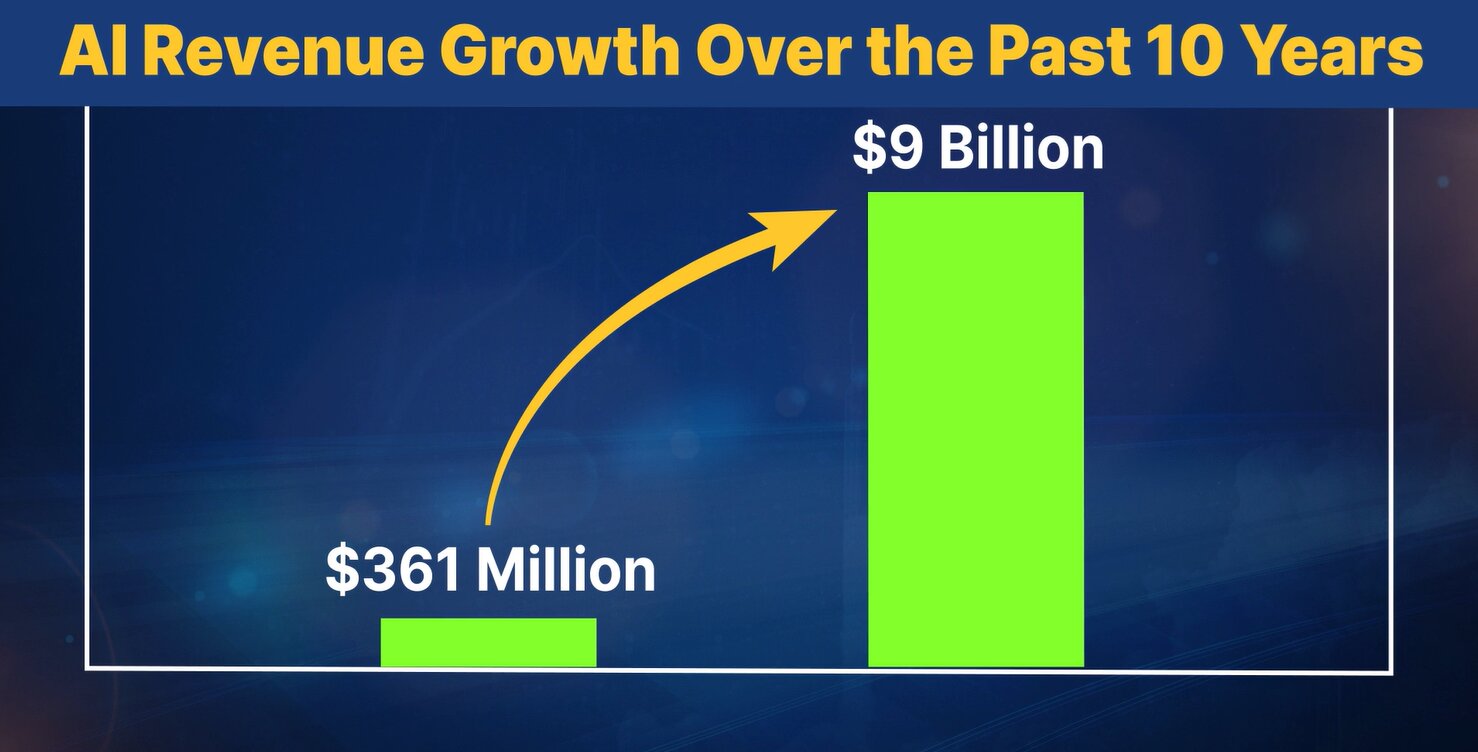
That's an increase of 25 times.
And with their AI revenue doubling this year … the growth trajectory is just getting started.
I’ve put everything about both companies in a special report called …
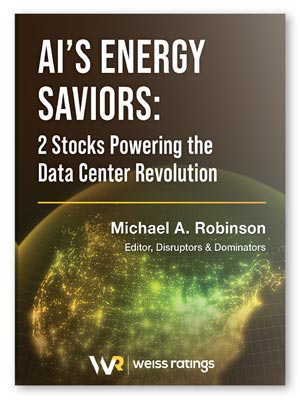
“AI’s Energy Saviors: 2 Stocks Powering the Data Center Revolution.”
JOHN: That’s great. So that’s energy covered. What about the second problem?
MICHAEL: Problem number two: the physical infrastructure inside the data centers themselves.
You see, building next-generation AI data centers isn’t just about plugging in chips and flipping a switch.
You need highly specialized design tools … simulation software … and physical cooling infrastructure that can handle the insane heat these AI systems generate.
I’ve found two more companies at the center of this buildout here on Earth.
The first is a behind-the-scenes powerhouse that designs the tools other companies use to build chips and data center systems.
Without their software, Nvidia, AMD and Intel couldn’t design their next-generation GPUs.
Their revenue is growing at double digits. Their operating margins are sky-high.
And their technology is being woven into the DNA of many, if not most, of the AI chips being built today.
The second company is a next-generation data center operator that’s figured out a way to provide the most efficient AI compute power to their enterprise clients …
Their infrastructure is built on top of Nvidia’s most powerful chips.
There’s a global waiting list for these chips. Most companies can’t get their hands on them … but this tiny firm can.
Their strategic partners include a rolodex of “Who’s Who” in the AI world, including Nvidia.
They’re expanding capacity at a furious pace. And they’re doing it in regions where energy is cheap and abundant … giving them a massive cost advantage over traditional operators.
I’ve put all the details about both companies in another special report called …
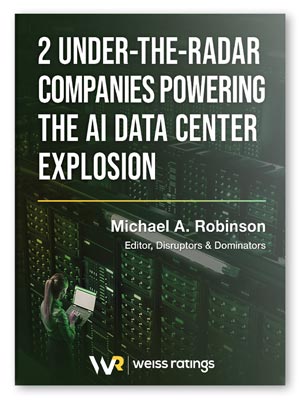
“2 Under-the-Radar Companies Powering the AI Data Center Explosion.”
JOHN: So, to recap … that’s four reports total, seven stocks in total, including each ticker symbol and how to own them … covering every angle of this historic opportunity.
MICHAEL: That's right, John.
JOHN: Now, folks at home, let me walk you through exactly what you get when you join Disruptors and Dominators today.
The moment you sign up, our team will send you all four special reports mentioned today:
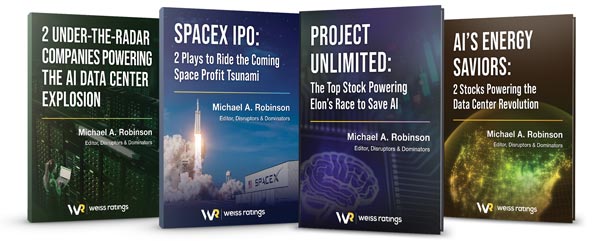
Report #1: “Project Unlimited: The Top Stock Powering Elon’s Race to Save AI.” Inside this report you'll find all the details about the unique company at the heart of SpaceX’s critical supply chain.
Report #2: “SpaceX IPO: 2 Plays to Ride the Coming Space Profit Tsunami.” This report features two additional space economy stocks that Michael believes are positioned to surge when the IPO opens the floodgates.
Report #3: “AI’s Energy Saviors: 2 Stocks Powering the Data Center Revolution.” These are two critical energy plays feeding AI’s insatiable appetite right here on Earth.
Report #4: “2 Under-the-Radar Companies Powering the AI Data Center Explosion.” Inside this report you'll get all the details about the two picks-and-shovels plays building the AI infrastructure of tomorrow.
On top of that, you’ll also get the following benefits:
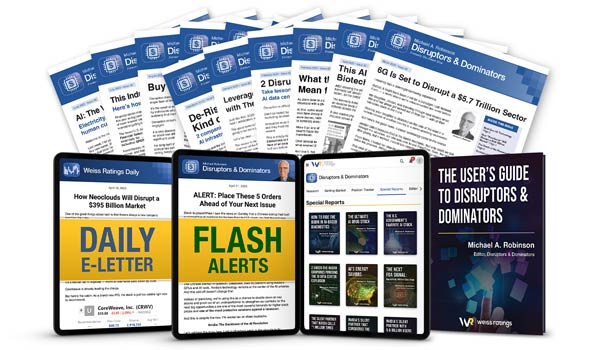
12 monthly issues of Disruptors and Dominators, delivered to your inbox on the first Friday of every month. Each one packed with Michael’s latest research on what’s moving in technology — along with a fresh stock recommendation.
Timely alerts and updates whenever there’s a change in the market or something happens with Michael's recommendations. So, you’re never caught off guard.
Full access to the entire Disruptors and Dominators catalog — every issue, every alert, every special report ever published, you'll get instant access to all of it.
A free subscription to Weiss Ratings Daily. This is where the full team of Weiss analysts deliver the latest market news and insights straight to your inbox.
Plus, a free copy of the User’s Guide to Disruptors and Dominators. A complete walkthrough of how to use our service to get the absolute maximum out of your membership, right from the get-go.
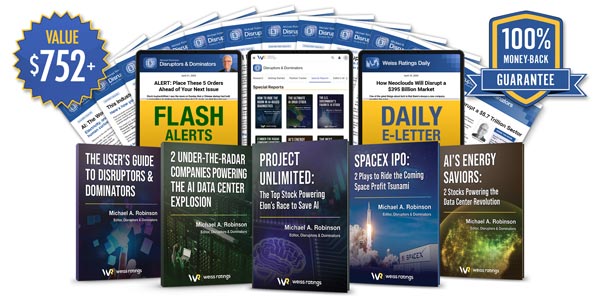
That’s a total real-world value of over $752 …
But here’s the best part …
One year of Disruptors and Dominators normally retails for $129. That’s what thousands of current members pay.
But today … because of the urgency of the SpaceX opportunity … Michael is offering a steep discount.
You’ll get a full year of access to everything I just described … all four bonus reports … all the alerts, the updates, the Weiss Ratings Daily subscription …
All of it …
For just $49.
That’s a 62% discount. Less than what most people spend on streaming subscriptions every month …
If even ONE of the stocks Michael recommends this year delivers a fraction of what Nvidia did …
That $49 could be the best investment decision you make all year.
And it's all backed with an unconditional 100% money-back guarantee.
That's right. If you're not 100% satisfied for any reason during your first 12 months of subscription …
Just call our U.S.-based member care team and they’ll give you a full refund …
No questions asked …
Right up to the very last day of your membership.
And you can keep every report … every single one of them … even if you cancel.
As a thank you for giving Disruptors and Dominators a try.
Michael, I have to say … that's an incredibly generous offer.
MICHAEL: I appreciate that, John. But here's the thing …
I don't want anything … especially money … to stand between you and what I believe could be one of the biggest wealth-building opportunities of our lifetime.
And I’m 100% convinced once you have the chance to dig into your bonus reports and see the potential value of our service …
You’ll want to stick around with us for the long haul.
That’s why I'm confident in giving such a generous refund policy.
And I’d like to talk to the viewers about this for a moment.
Let me be very clear …
John mentioned that you will receive a 100% satisfaction guarantee, but I want to take that up a level.
I want you to enjoy 110% satisfaction.
I want you to be blown away by the service we provide in Disruptors and Dominators.
So, if you’re not 110% satisfied, I’m talking absolutely thrilled with your subscription to Disruptors and Dominators, you’re welcome to a full money-back refund at any time over the course of the next year.
In other words John, I’m not satisfied unless our readers are completely blown away with what they’re receiving from us.
JOHN: Above and beyond. Very well put, Michael. So, folks …
If this sounds like a good deal to you, then please click the button below to get started …
And don’t worry, when you click the button, you’ll get the chance to review all the details of this offer before you sign up.
Now, Michael … before we wrap up … any final words for our viewers?
MICHAEL: Just this …
Many of the great fortunes in American history were built the same way.
Someone spotted a crisis … they saw the solution before the crowd … and they moved to solve it.
Carnegie saw iron rails cracking under the weight of progress, so he bet on steel, and he became the richest man on Earth.
A handful of investors saw fiber optic cable being laid during the Dot-Com Crash. They bought …
And they rode Amazon, Netflix and Google to generational wealth.
That's the pattern: Crisis, solution, fortune.
And right now, Elon is solving the biggest crisis of them all — AI's power grid bottleneck.
But here's what makes this time different …
Railroads moved goods … and the internet moved information.
But John, AI is reshaping the world as we know it.
This isn't just another technology cycle …
This is a paradigm shift.
The kind that comes around once every few hundred years — if that.
And my research is telling me the wealth it could create will make every boom that's come before it … look like a warm-up.
Picture this: It's one year from today …
The SpaceX IPO has come and gone. The space economy is front-page news. AI is taking over the world at warp speed …
And you're sitting at your kitchen table, looking at your brokerage account …
Smiling …
All because you made one decision today.
Or …
A year from now, you look back and say, "I saw it coming. And I did nothing."
This is your window of opportunity.
But it won’t stay open for long.
JOHN:ng>: Folks, you’ve heard the man.
If you’re ready to take action, click the button below now …
Join Michael …
And act before the flood of capital potentially hits.
If you're not sure … that's okay too. Not every opportunity is right for every person.
But if you're still here and watching … I think you already know what you want to do.
Click the button below to get started.
Michael, thank you for joining us today.
Again, I’m John Daly.
Thank you for watching …
And we’ll see you on the other side.